
How exercise changes glucose
Understanding what your blood glucose does during exercise, straight after and in the hours that follow is vital with type 1 diabetes. The type of activity makes a difference, and everyone responds differently.
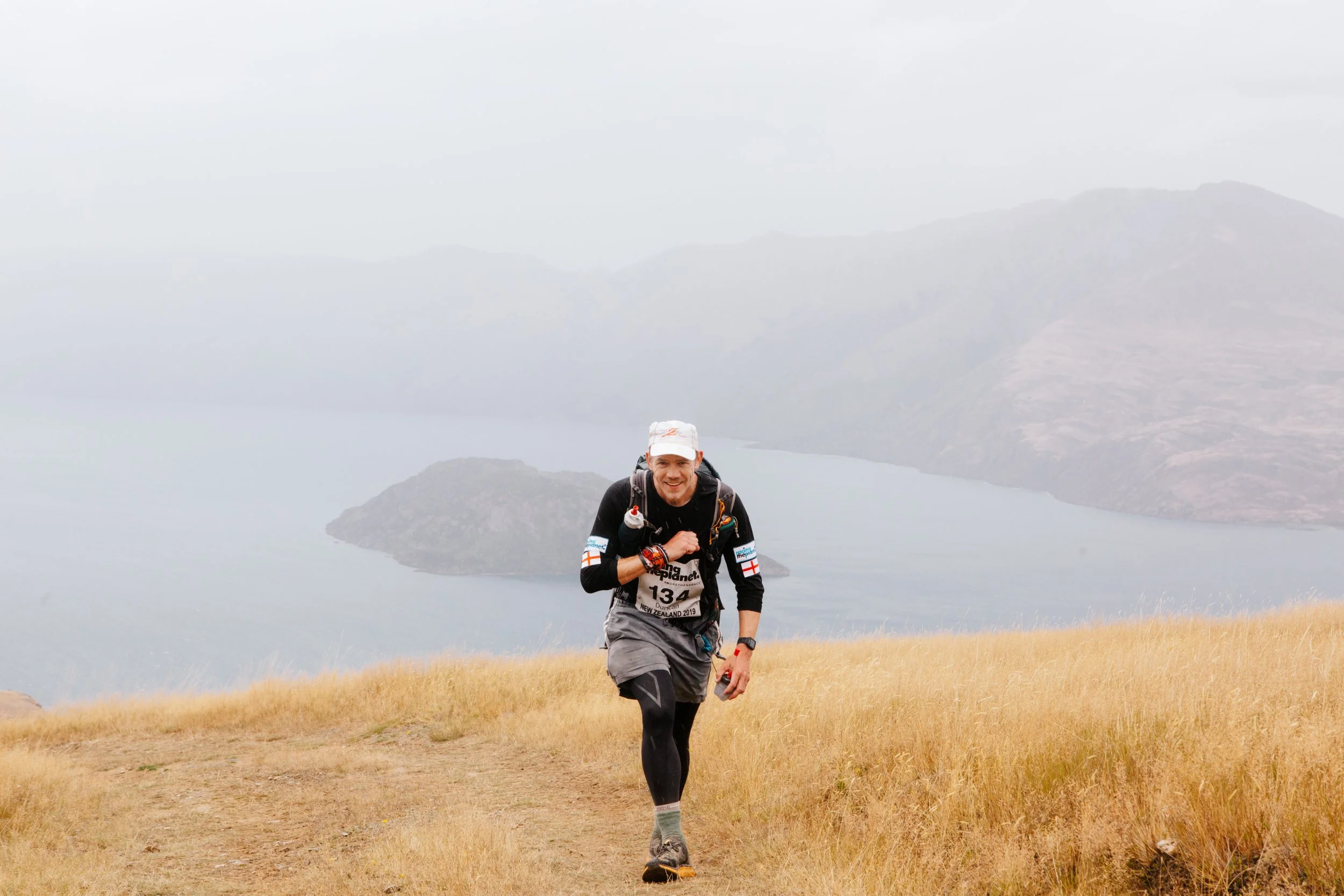
The guidelines are the place to start, but real life is where I’ve learned most. Below I share what the guidelines and research say, and what I’ve found in practice.
My responses may differ from yours, but they show how it plays out. This is lived experience, not medical advice.
What the guidelines say
The arrows show which way blood glucose usually goes: ↓ falls, ↑ rises, ↕ could go either way.
-
Aerobic
Running, cycling, swimming, brisk walking
↓ During Usually falls. Working muscles take up glucose and need less insulin to do it.
↓ Straight after Keeps falling while muscles refill their fuel stores.
↓ Hours after Can stay lower for up to 24 hours, with a higher chance of a low overnight.
-
Anaerobic
Sprints, heavy weights, power sports
↑ During Often rises. Adrenaline tells the liver to release stored glucose.
↑ Straight after Can stay high for a while after you stop, especially after a hard session first thing in the morning.
↓ Hours after Often falls later, as muscles refill their fuel stores.
-
Mixed
Football, basketball, netball, hockey, interval training
↕ During May rise, fall or hold steady, depending on how hard and how long you go.
↕ Straight after Often steadier than after a steady run or ride of the same length.
↓ Hours after Tends to fall, with a chance of a low overnight.
What happens in real life
The guidelines are key principles worth learning. They show what people with type 1 diabetes can expect to happen. If we were all the same and exercised in a test tube, they’d work for everyone, every time. Real life isn’t like that: when you exercise, other influences are at play.
My golden rule is to start with the guidelines, be ready to adapt to what actually happens, and take notes. I’ve learned most from repeated sessions and from mapping my own data and responses. My conversations with other T1D athletes back this up.
Real life is messier than the textbook. That’s why my two Game changer moves proved so helpful to me.
Learn from shared experience a short extract from my ‘Fuelled by T1D’ talk with diabetes educator Beck Newton and Carly Green from the Type 1 Diabetes Family Centre, August 2025.
-
So much! That’s what makes T1D harder. Your glucose doesn’t respond to the exercise alone. Your starting glucose, the insulin on board, what you’ve eaten, how long and how hard you go, the time of day, heat, stress, sleep, fitness, and whether you’re rested or still recovering from earlier sessions all change the picture.
We are all different. That’s why keeping notes of your own sessions helps you spot patterns and improve performance.
-
I’ve found that the guidelines across the three exercise types play out in practice. Planning ahead for exercise helps. The biggest risk for me on long runs is dropping glucose levels, particularly when running for over 30 minutes, as they continue to fall if I don’t intervene.
Spontaneous unplanned runs are harder, but possible. My solution is to take a blood glucose monitor in one pocket, and a packet of lollies in the other. -
Exercise guides for T1D
National guidelines
Deeper research
Riddell MC and colleagues. Exercise management in type 1 diabetes: a consensus statement. Lancet Diabetes and Endocrinology, 2017.
Riddell MC and colleagues. Acute glycemic effects of different types of structured exercise in type 1 diabetes in a real-world setting (T1DEXI). Diabetes Care, 2023.
Yardley JE and colleagues. Resistance exercise before versus after aerobic exercise and glycemia in type 1 diabetes. Diabetes Care, 2012.
Bussau VA and colleagues. The 10-s maximal sprint to counter an exercise-mediated fall in glycemia in type 1 diabetes. Diabetes Care, 2006.
Fitzpatrick R and colleagues. Exercise, type 1 diabetes and blood glucose: the implications of exercise timing. Frontiers in Endocrinology, 2022.
Ideas researchers have tested
Reading studies, and recording how my body responds, helps me plan my runs and sessions. The studies below tested other ideas. When I find research like this, I talk it through with my doctor and try experimenting. Adapting my approach once a repeatable pattern emerges.
-
Mornings run higher
Fitzpatrick and colleagues, 2022
Exercising before breakfast tends to cause fewer lows than exercising in the afternoon, and weights sessions done on an empty stomach can push glucose up. The evidence is still early.
-
Finish with a sprint
Bussau and colleagues, 2006
A 10-second all-out sprint at the end of moderate exercise stopped glucose falling further for the next two hours.
-
Weights before cardio
Yardley and colleagues, 2012
Doing resistance exercise before aerobic exercise kept glucose steadier during the session, and lows afterwards were shorter and milder.
My exercise plan is simple on paper, but I refine it constantly by trial and error. These two short clips from my talks show how it works in practice.
My own experience
Refined by trial and error a short extract from my ‘Lessons on life, sport and T1D’ talk to diabetes educators and exercise physiologists at Diabetes WA, October 2026.
Test, eat, run a short extract from my ‘Fuelled by T1D’ talk with diabetes educator Beck Newton and Carly Green from the Type 1 Diabetes Family Centre, August 2025.
Finding it difficult, or working with patients, a family member or a research group with questions? Ask me what I’ve learned from my experience.