
Sydney’s Backyard Ultra
St Ives Showground, 18 April 2026
‘The Good, the Bad and the Ugly’
Race report by Duncan Read
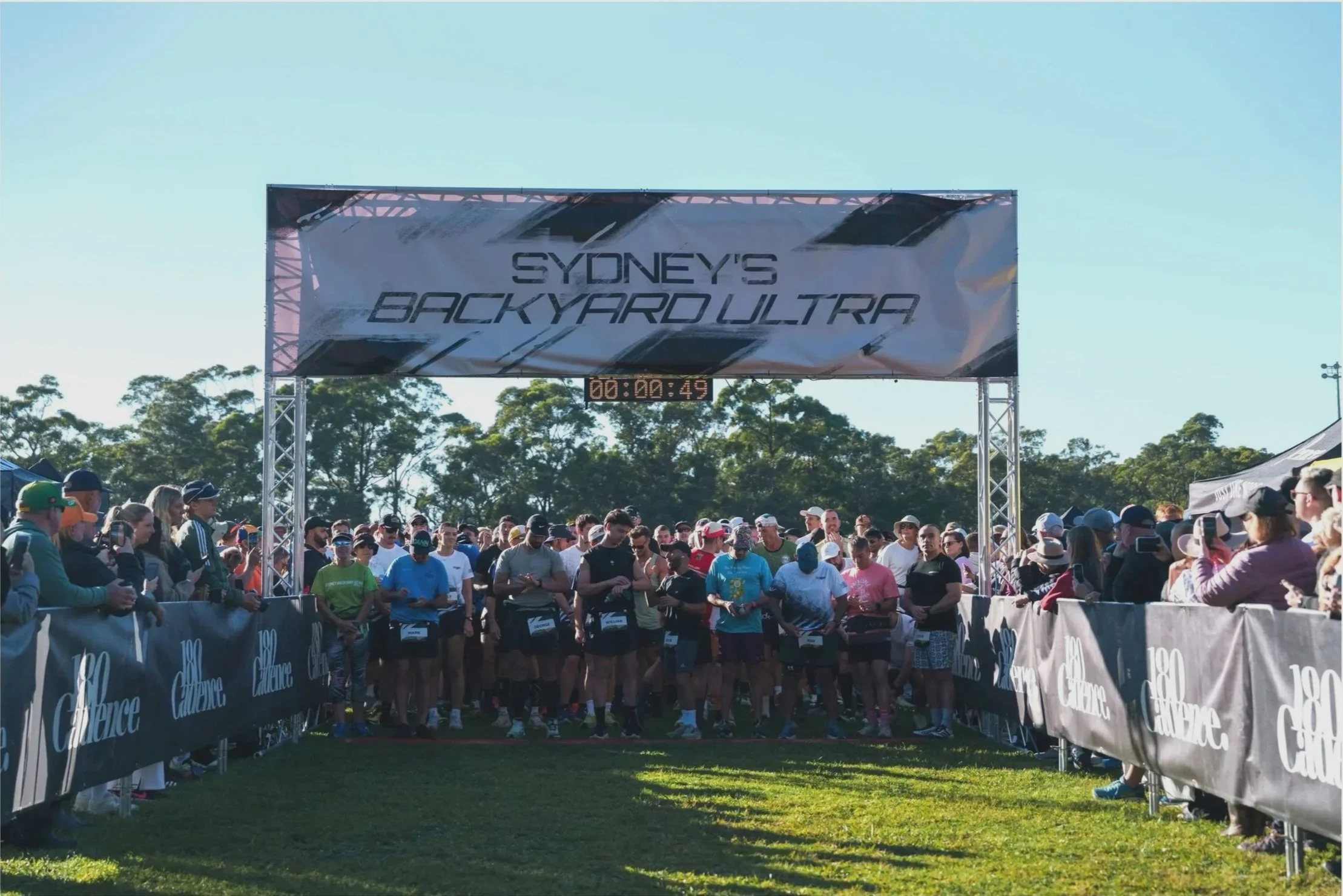
“A very long race, on a short course, with no finish line”
If you ask trail runners most will say their goal is to run further and longer than ever before.
What is also quite common is that finishing one very long race plants a seed for the next.
It’s addictive.
I put my addiction down to what’s Good, Bad, and Ugly about endurance events. What draws me back for more are the conflicting physical and mental demands.
These were greater in Sydney’s Backyard Ultra than any other run. That’s why, just one week after finishing, I'm already Googling race calendars for my next hit.
Notes on the format:
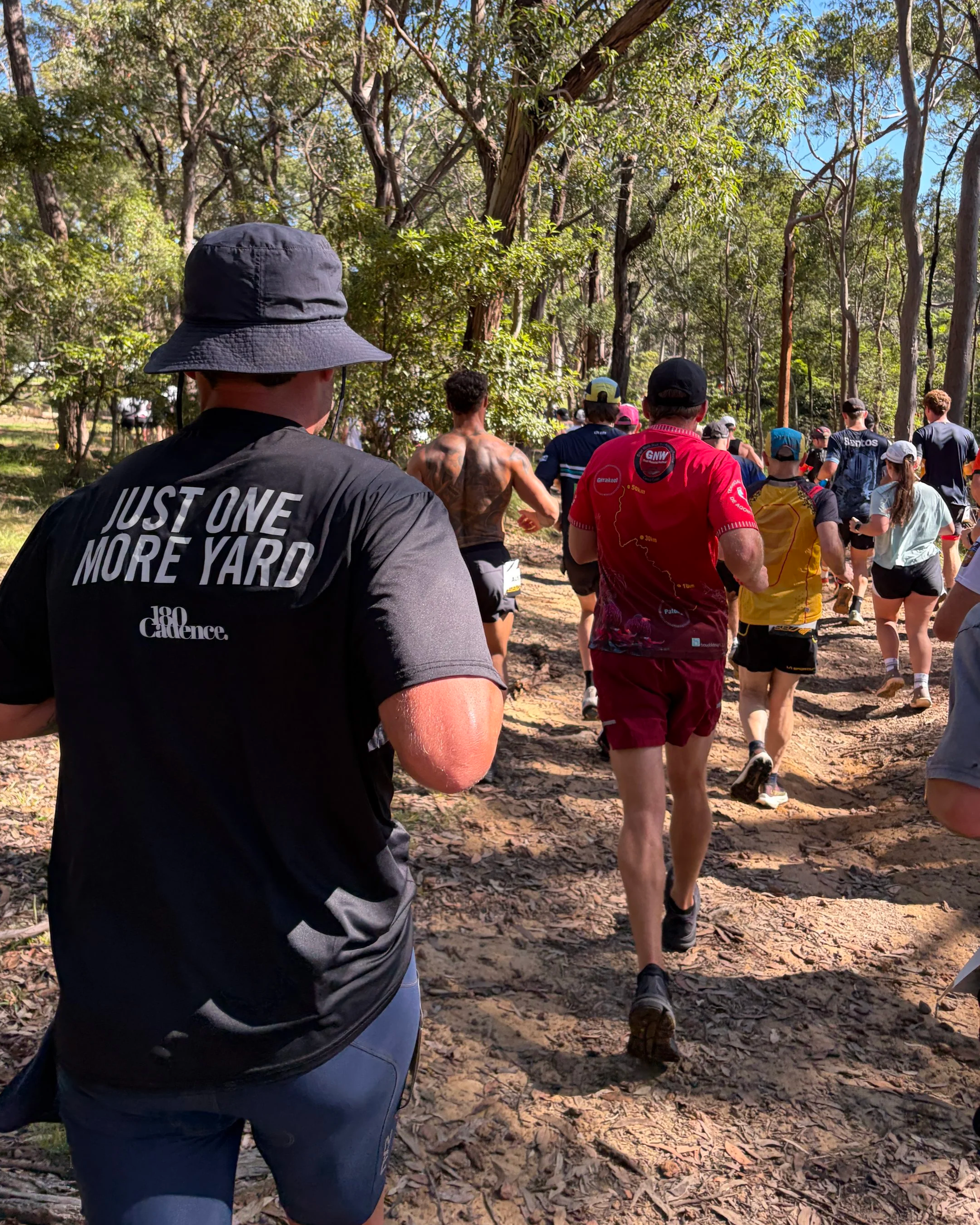
in a Backyard Ultra, every runner completes the same 6.71km lap every hour, on the hour, until just one person remains. They are the winner. Everyone else just registers the number of laps they completed. This year's winner ran a mind-blowing 75 hours (500km), and earned a place on the Australian National Team. The rest of us gave everything we had.
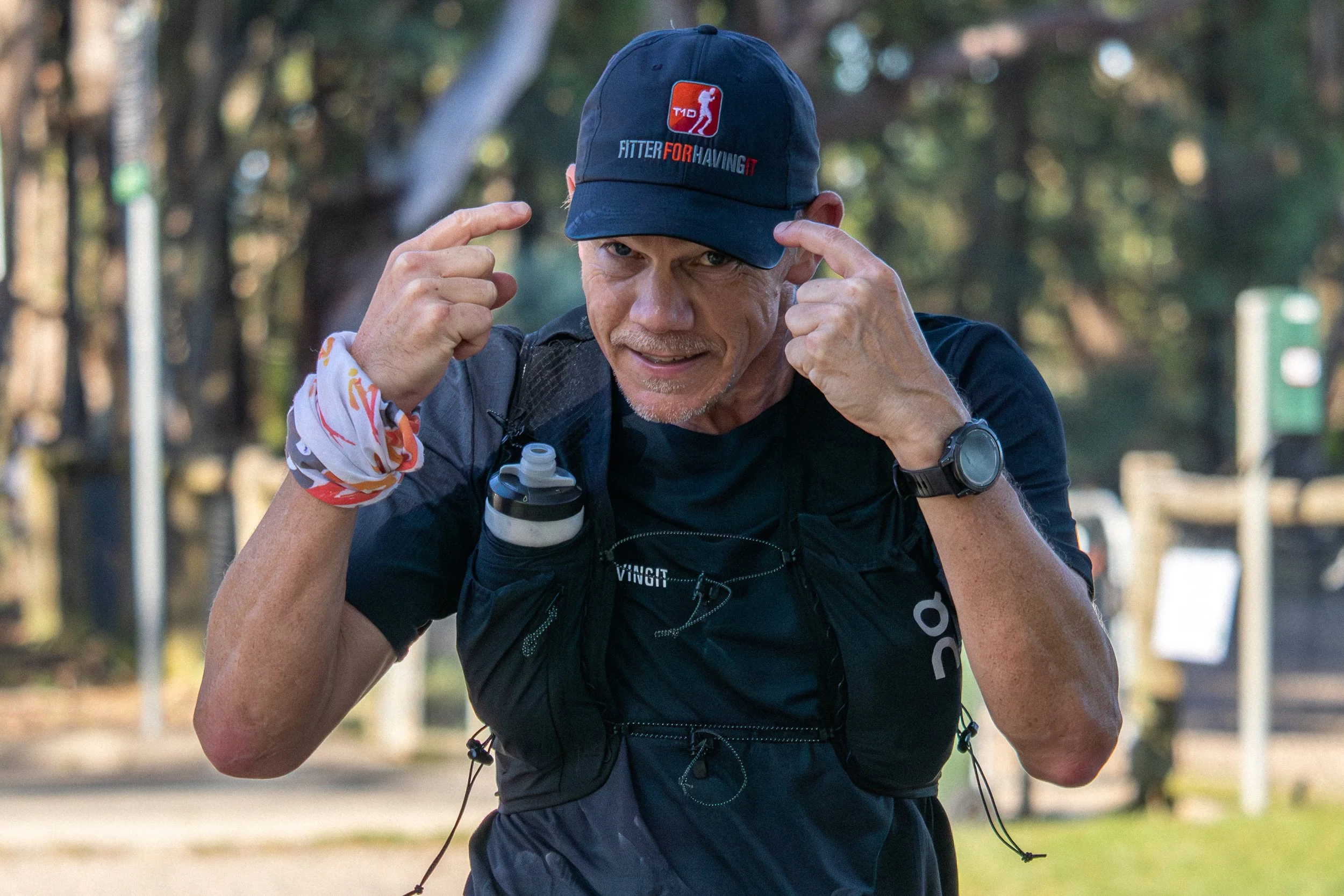
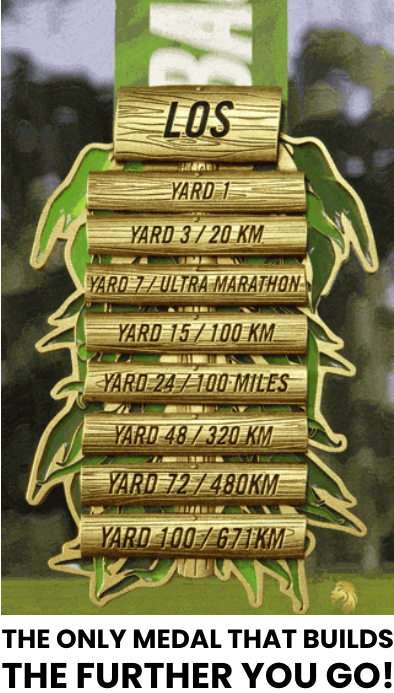
A race with no finish line needs a mindset without limits.
Don’t be put off by the distance: the training moves, emotions and T1D strategies used for this run apply just as much to your first 5km park run, as they do to your first half or full marathon, or a super-long Ultra.
Let me know anything motivates you to reach your exercise goals.
The Good
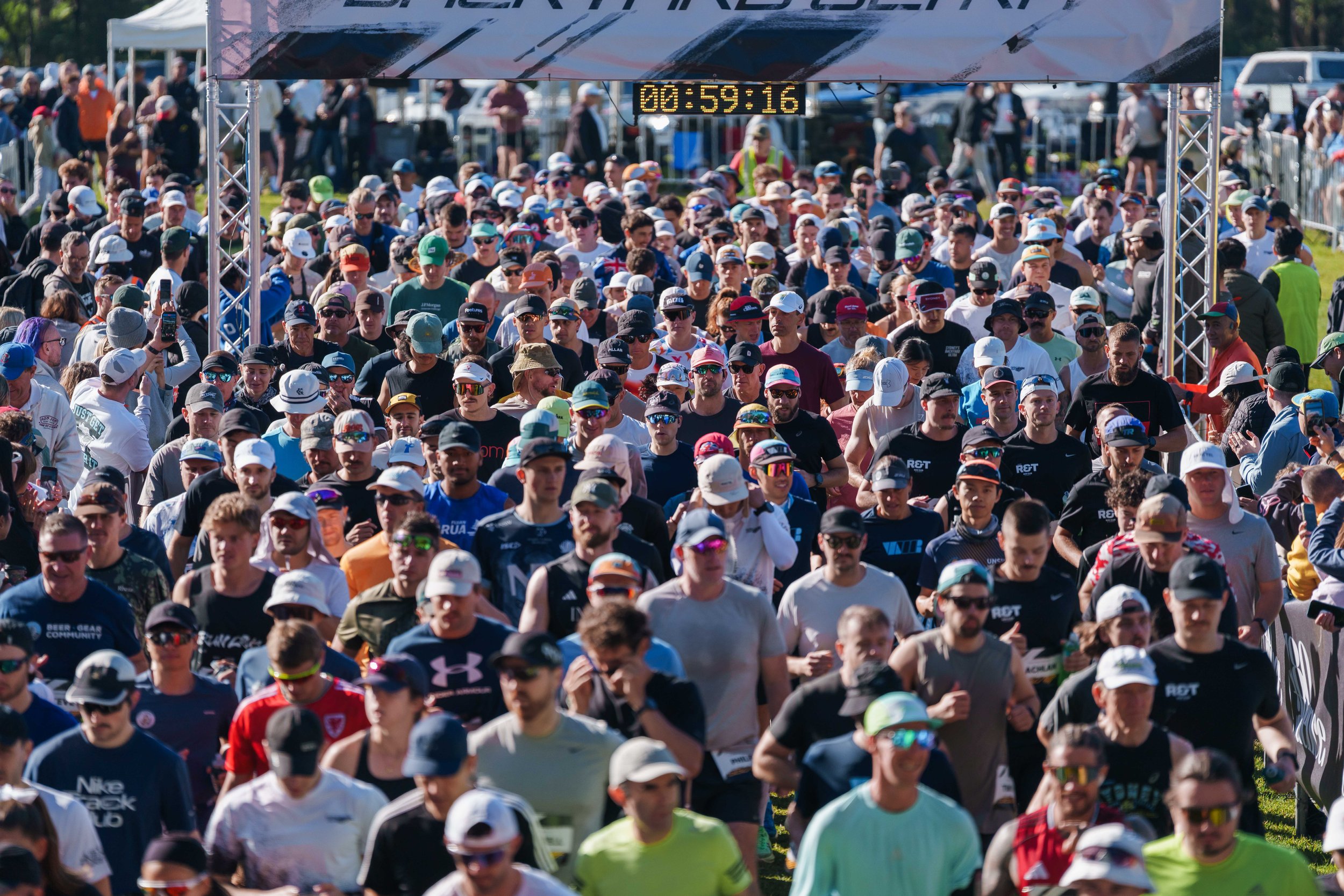
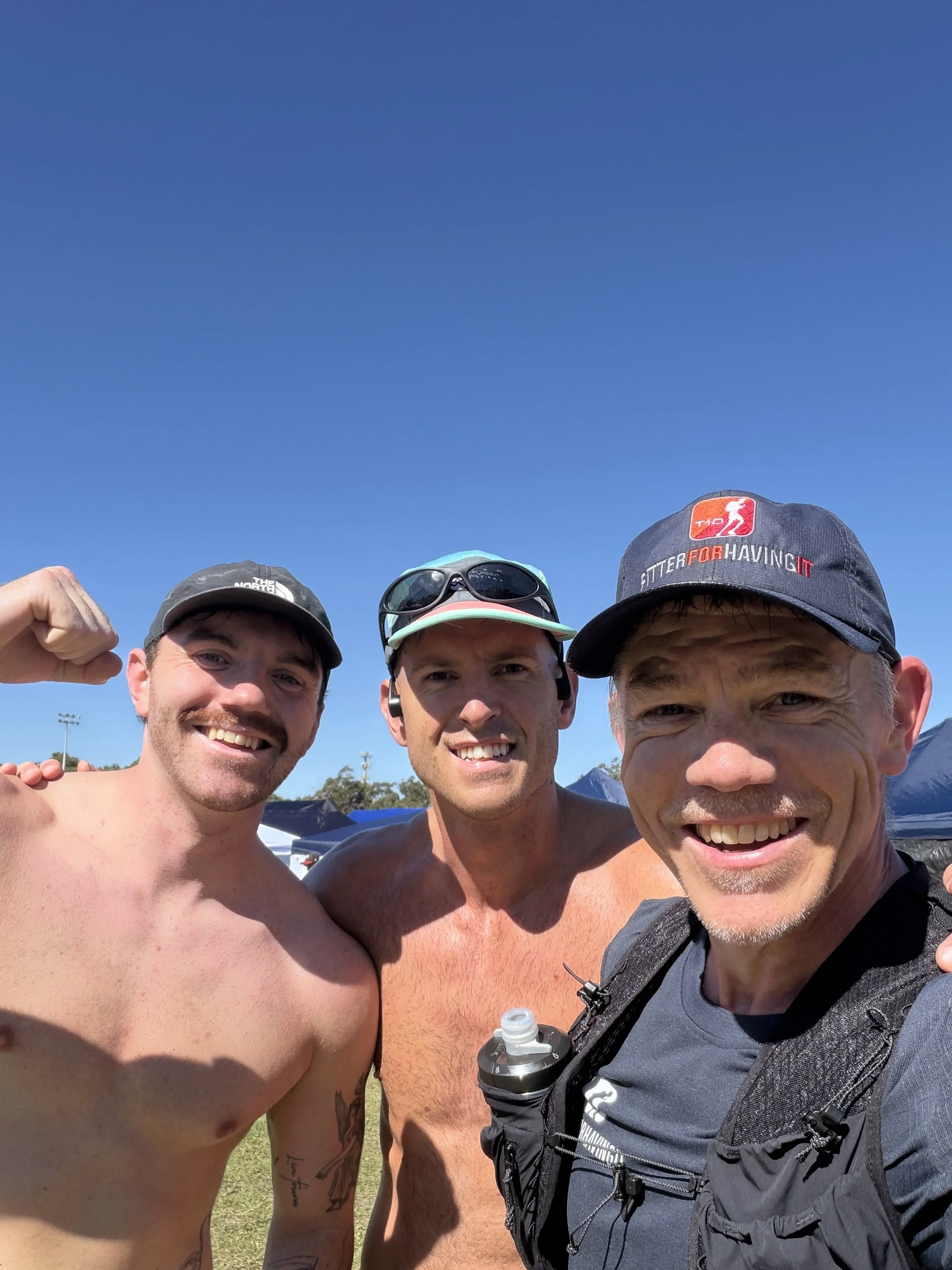
Good people
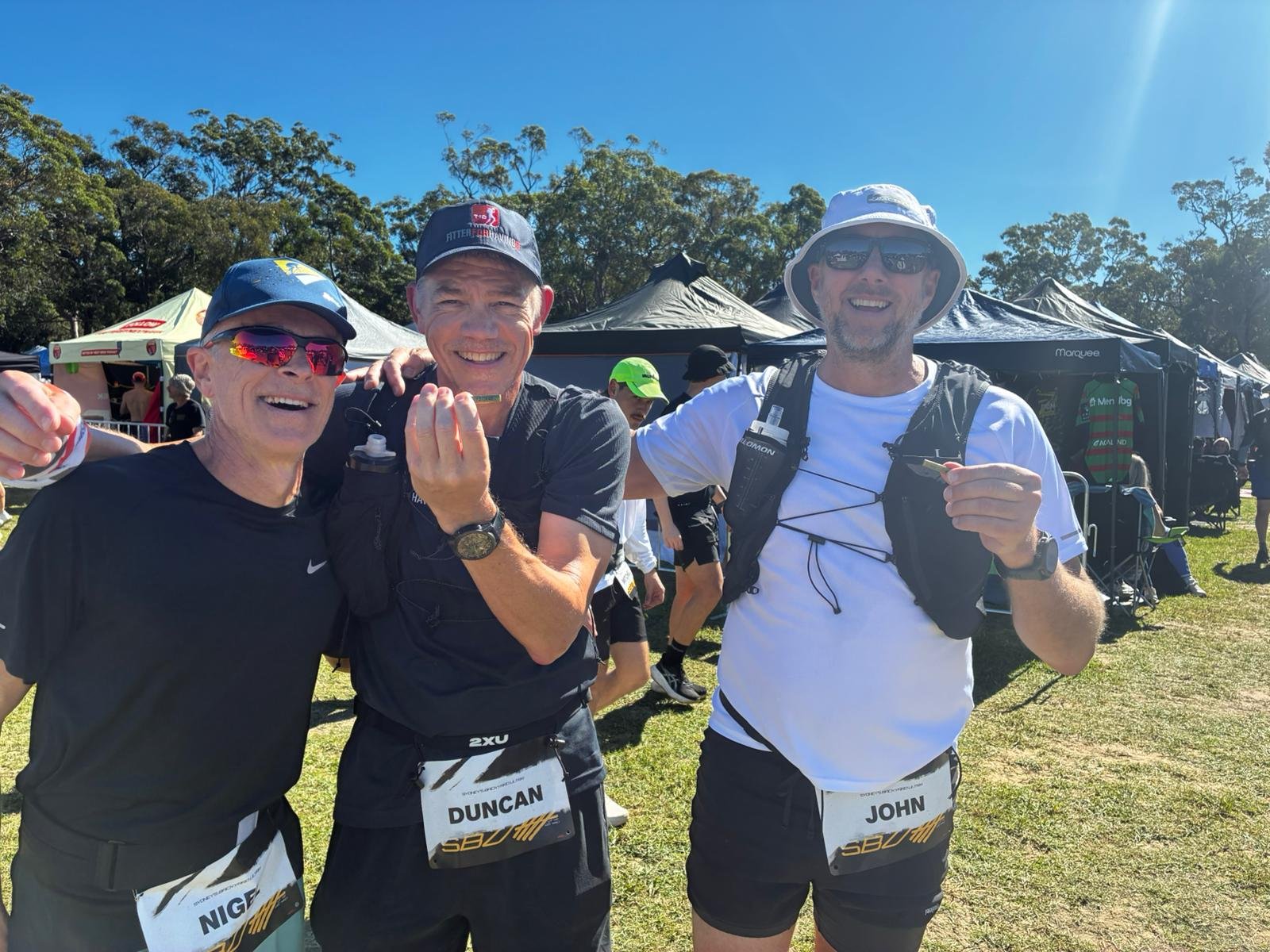
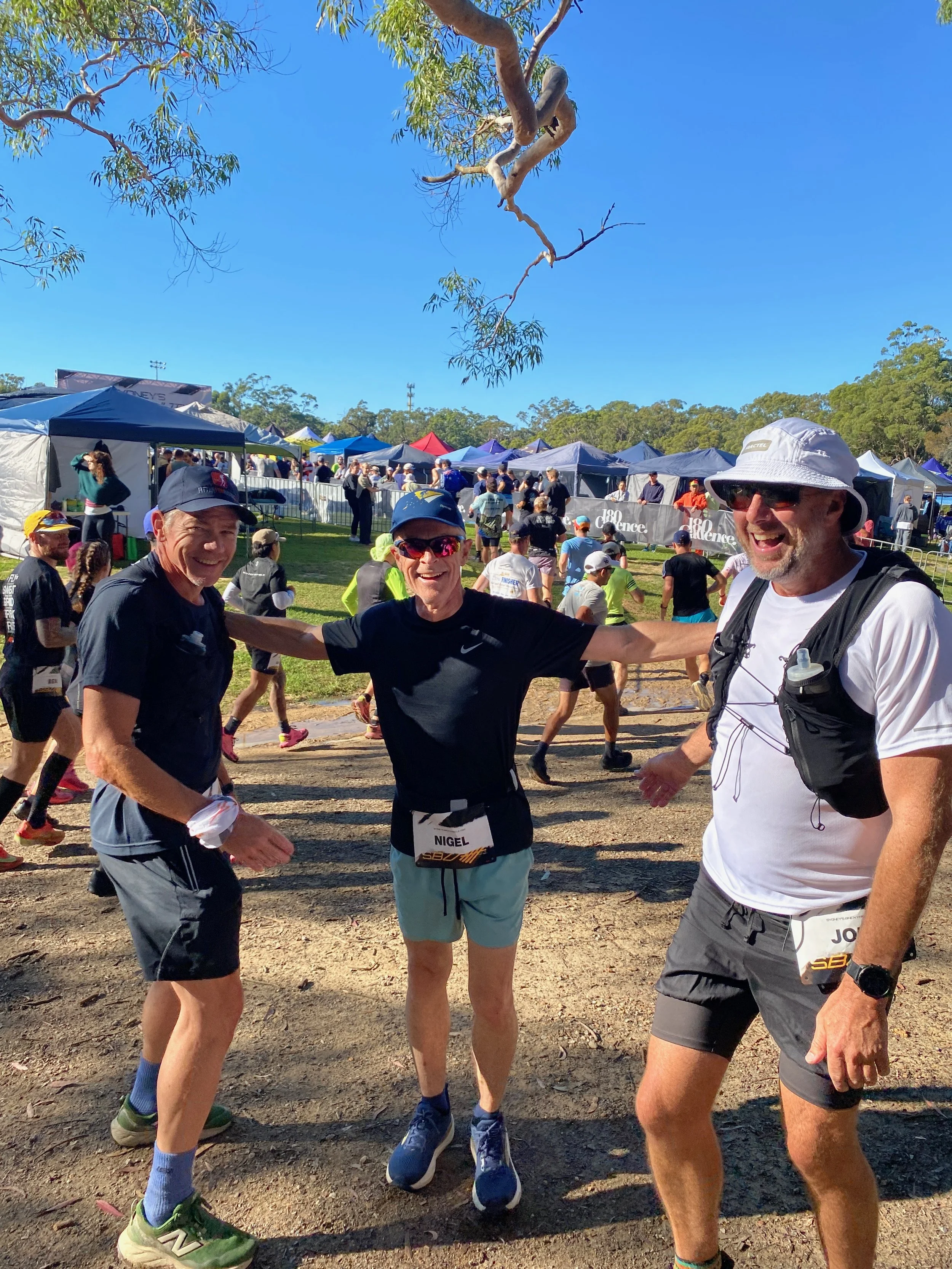
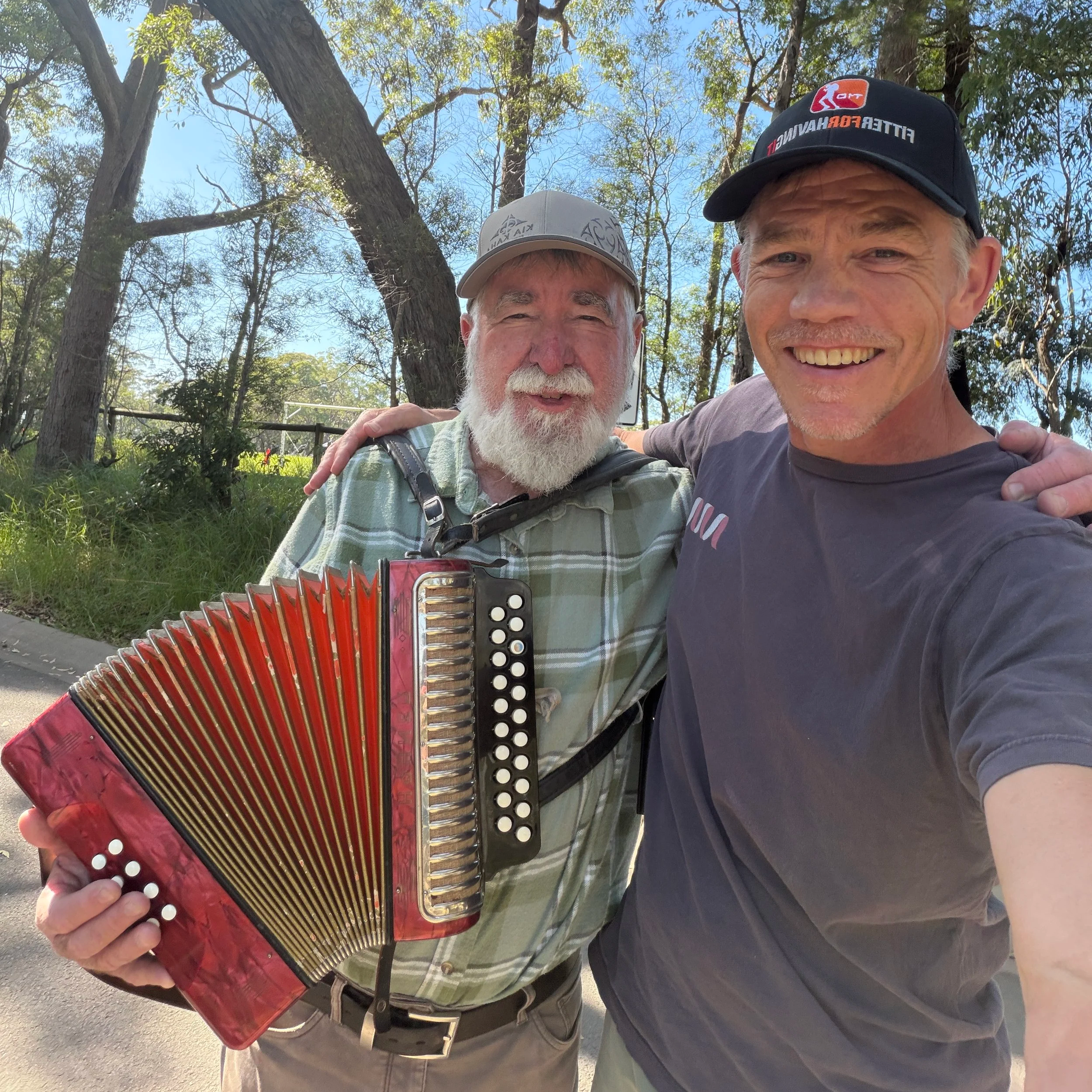
Everyone I met at Sydney’s Backyard Ultra was friendly, supportive, and selfless. Sharing positive attitudes to encourage others to the very end.
I made friends on the course and by the middle of the night, names I didn't know at 8am felt like teammates, and lonely spectators I didn’t know were willing me on.
People who couldn’t be there reached out with their comments online. Their love, support, and courage ran with me further than ever before.
Good performance
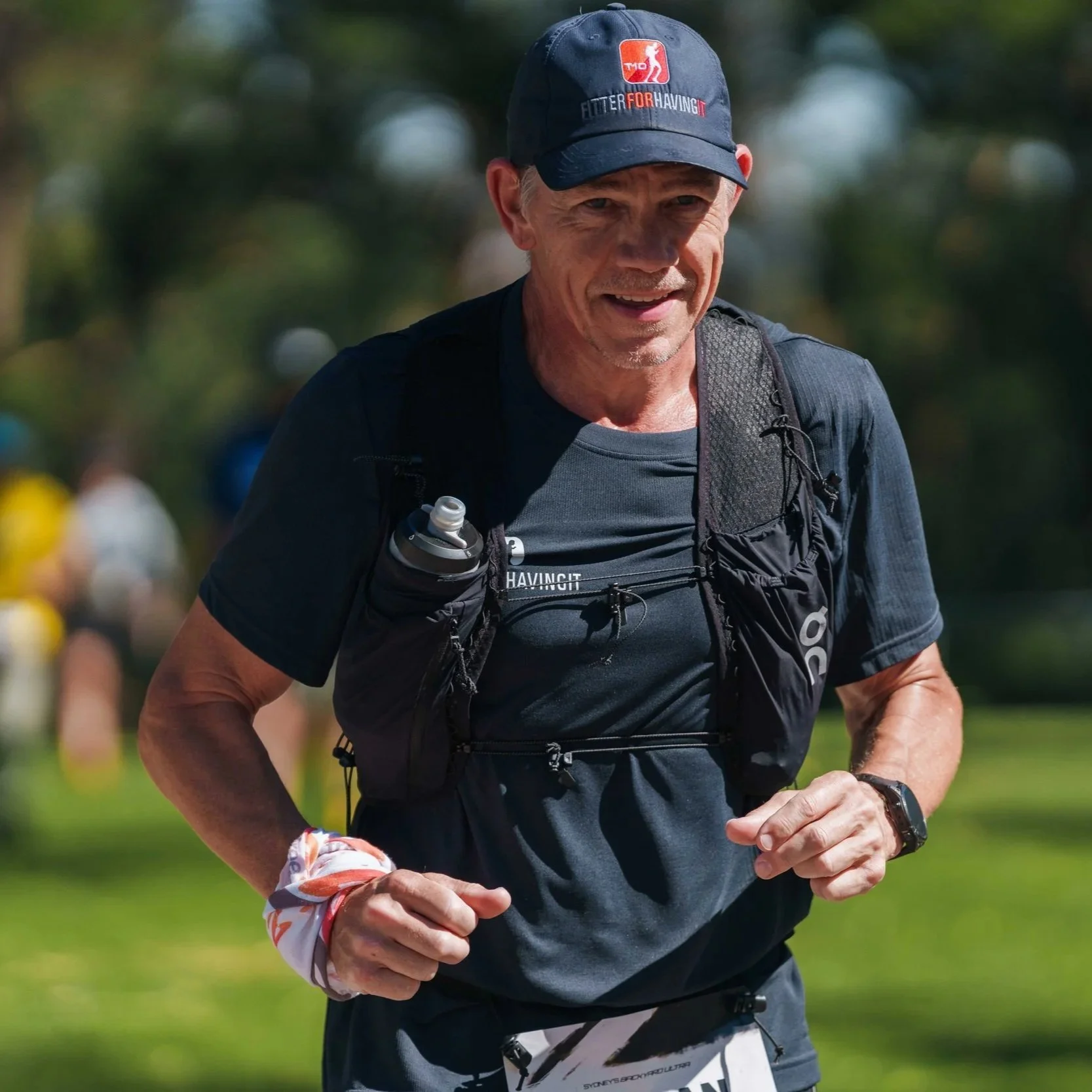
The result was my personal best:
20 hours non-stop running
3 back-to-back marathons
134km in one run
Top 20% of all finishers
Fifth in my age group
I started at 8am on Saturday and didn't stop until the early hours of Sunday morning.
At my strongest, I managed rests of 10 to 15 minutes every hour, but after midnight through to finishing at 4am there wasn't one second when I was sitting down.
In a field of 645 runners aged 18 to 69, I ran further than 80% of the field, and placed 5th among athletes my age or older.
I exceeded my expectations and ran 34km further, and one hour longer, into the night than I’ve ever run before.
In a competitive, age-diverse field with elite runners, I held my own deep into the first night.
And I did it with Type 1 Diabetes.
Notes on my goals:
My goal was to enter new territory and run longer and further than ever before.
And I got there.
Running more than15 hours and further than 100km was my main goal. But, my crew knew I’d set 24 hours as my stretch target: to reach 160km (100 miles) and still be racing when the sun came up. I very nearly got there and I’m proud of my performance. What I learned has set me up to go even further next time.
The Bad
Breaking points
There are painful parts in ultras, but don’t let these put you off. Paradoxically it is theses breaking points that lure you back. Retrospectively they are the best bits.
In real-time they suck. They slow you down, force you to dig deep, and threaten to end your race entirely. But afterwards, they are the parts I remember most fondly and that people ask me about at dinner.
Ultra runners ‘endure’ joint pain, tiredness, exhaustion, hot feet, calf cramping, stubbed toes, chafing, muscle fatigue. You absorb the discomfort and sometimes shuffle or limp the next step. If not, you get caught by the clock and eliminated.
What you learn in breaking points you can draw on in your next race, and I’ve proved this repeatedly.
I agree when they say "What doesn't kill you makes you stronger”. But, you only improve if you take notes.
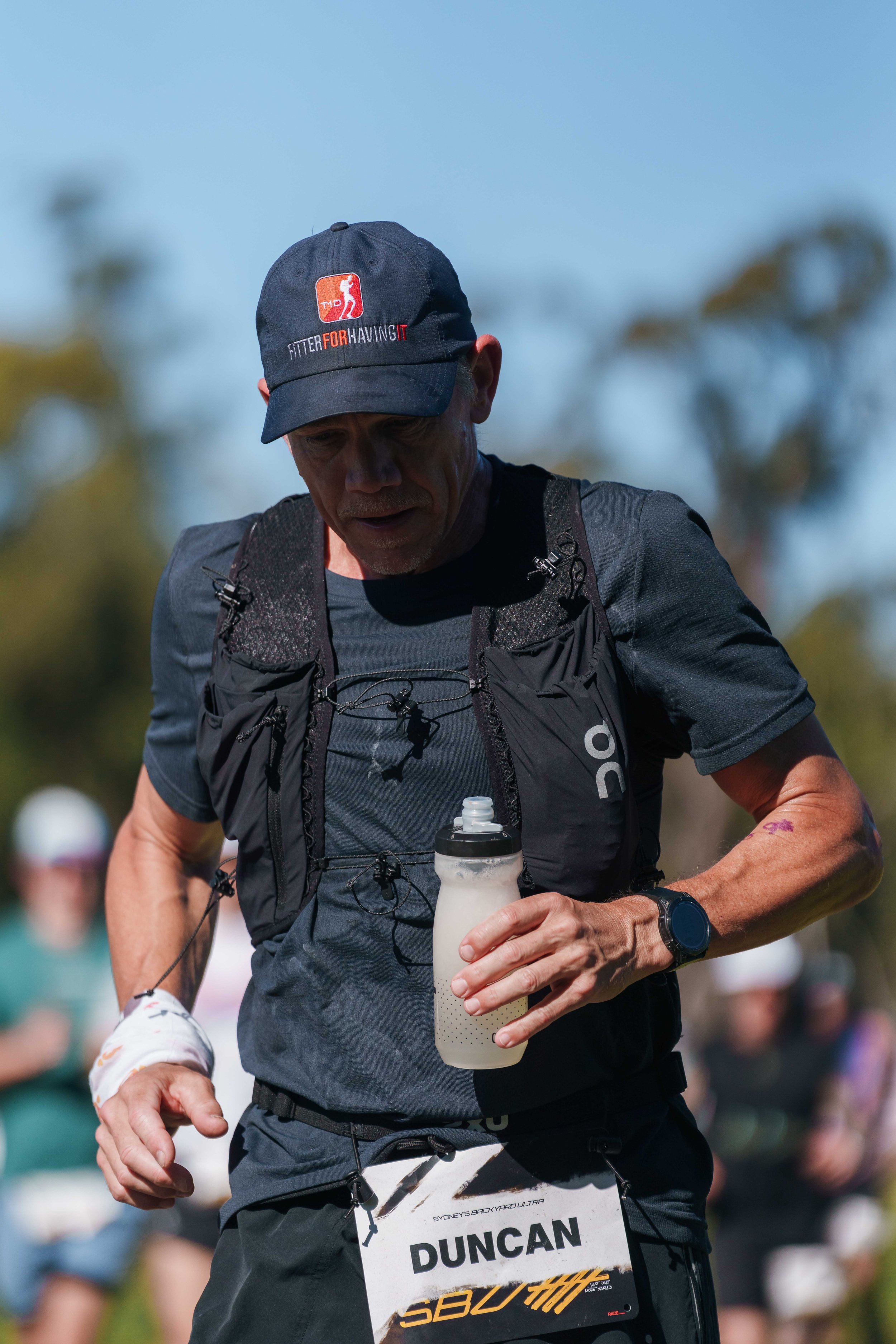
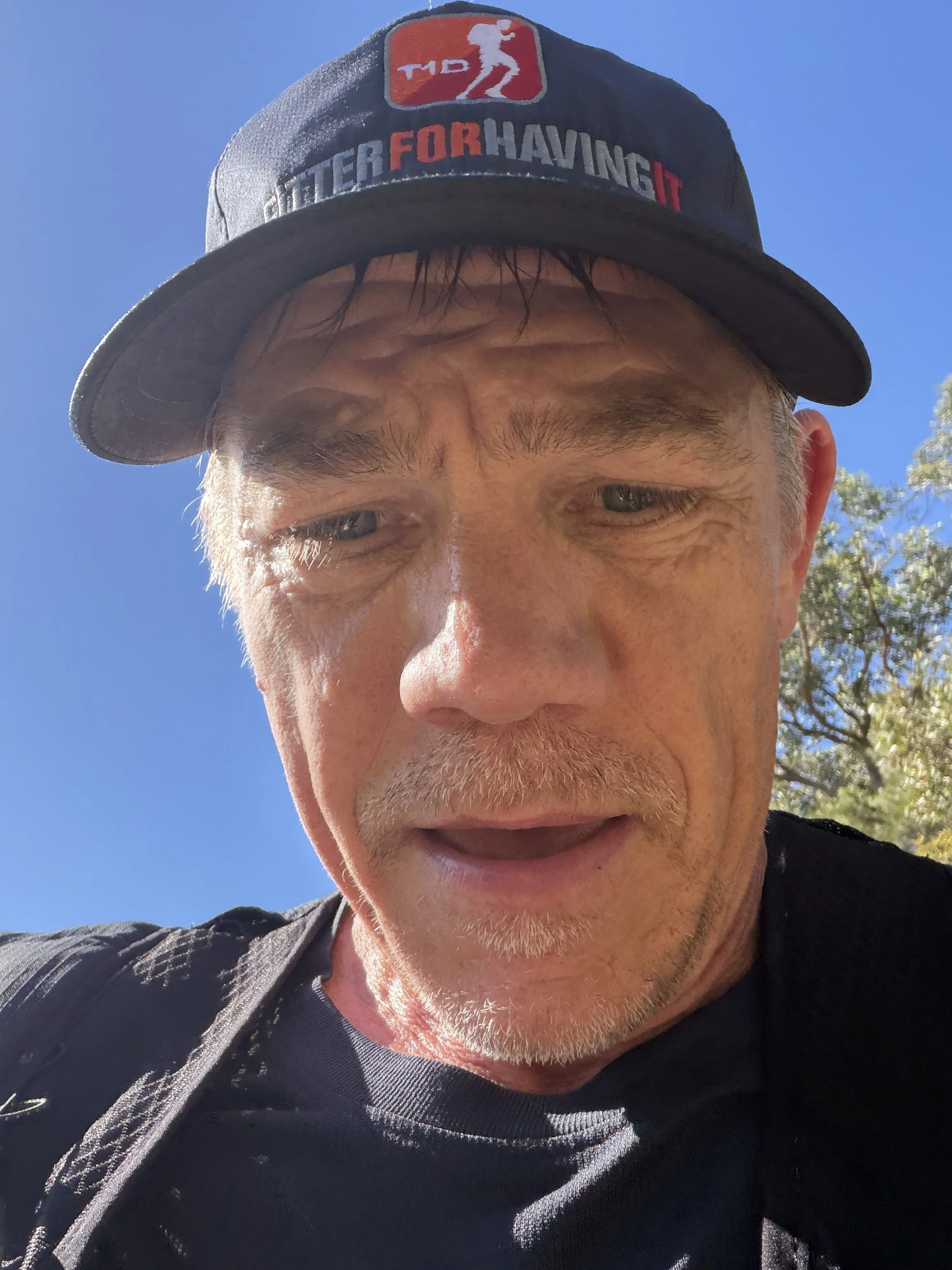
Notes on learning from bad bits:
In my previous runs, knowing the end point each day, often 42km, 50km, 80km, or 100km, always made me determined to get through breaking points, and the clock has never caught me before.
I've always reached the finish line and found that overcoming and learning from the hard bits led to better performance in the races that followed.
This know this from past experience:
Running six marathons in six days in the Simpson Desert in 2023 had extreme breaking points which taught me lessons about my body, mind, and diabetes that I carried into the same six-day race format in the mountains of Queenstown in 2019 and helped me finish stronger.
The same applied to the 80km Bondi to Manly Ultra, where I adapted to what learned in my first year to shave over an hour off my time the next.
“Backyards are designed for failure”
In a Backyard Ultra reaching breaking points, or at least one, is guaranteed.
That is what plays with your head in training: "how far will I go?", "how long will I run?", "how will I sleep?", "how much will I eat?”
Then, during the race, as you encounter each lap and milestone, you ask yourself: "Is this it, or have I got just one more?"
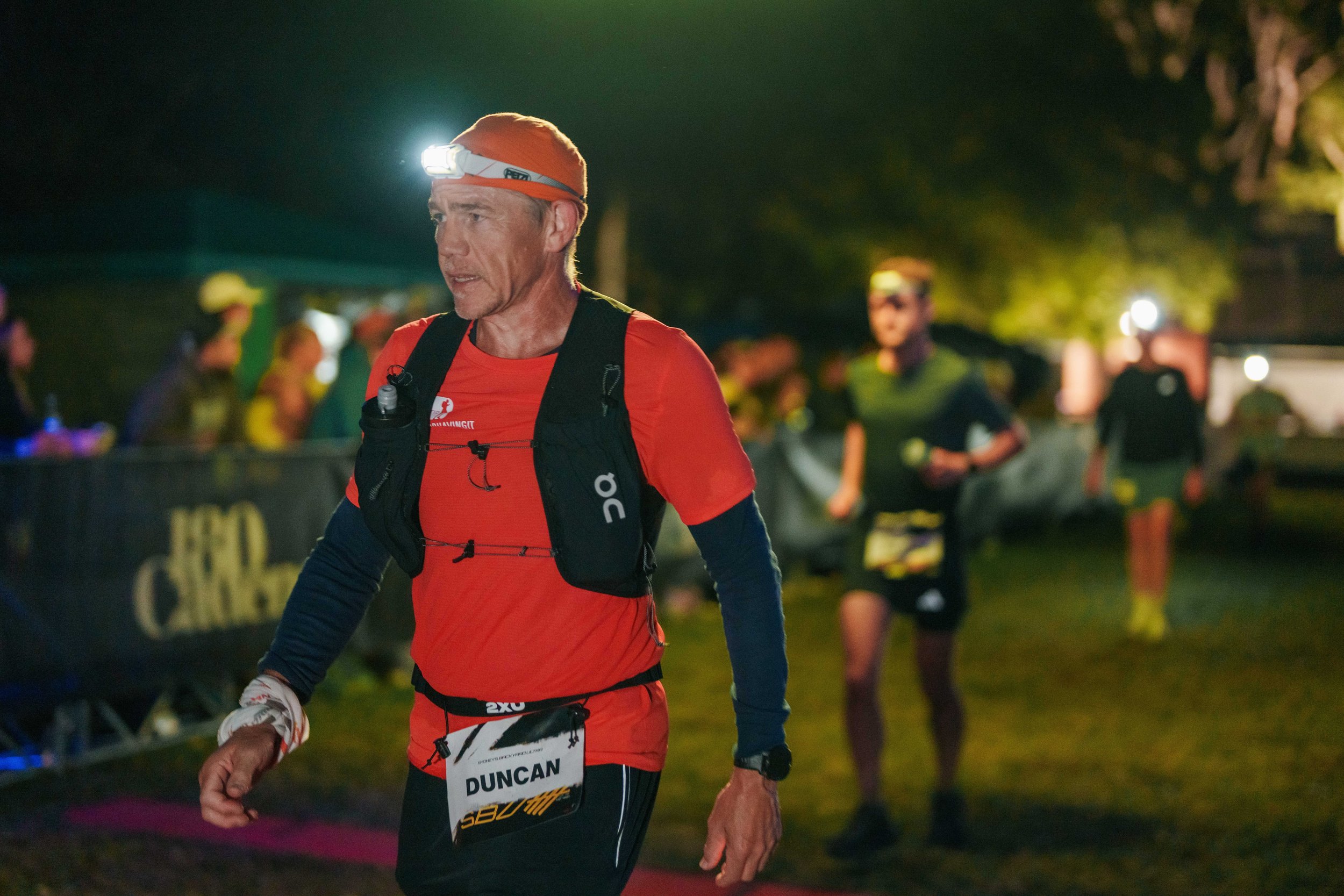
Every hour and every start is a new decision. The breaking points creep up slowly. My first came with dusk at 6pm after I'd been running for 10 hours.
I was prepared and ready to grind it out. And so I did. Over the next ten hours several more breaking points came and went, and then a bad one arrived at 3.40am.
This one felt bad because my watch was telling me I’d still got more than half of the lap to complete, with much less than half the time available.
Everything was screaming at me to stop.
I battled with the less time more distance equation and eventually found some acceleration to cross the finish line for my 20th successful lap, with 90 seconds to spare.
Then as the clock ticked closer to 4am the mothership of all breaking points turned up.
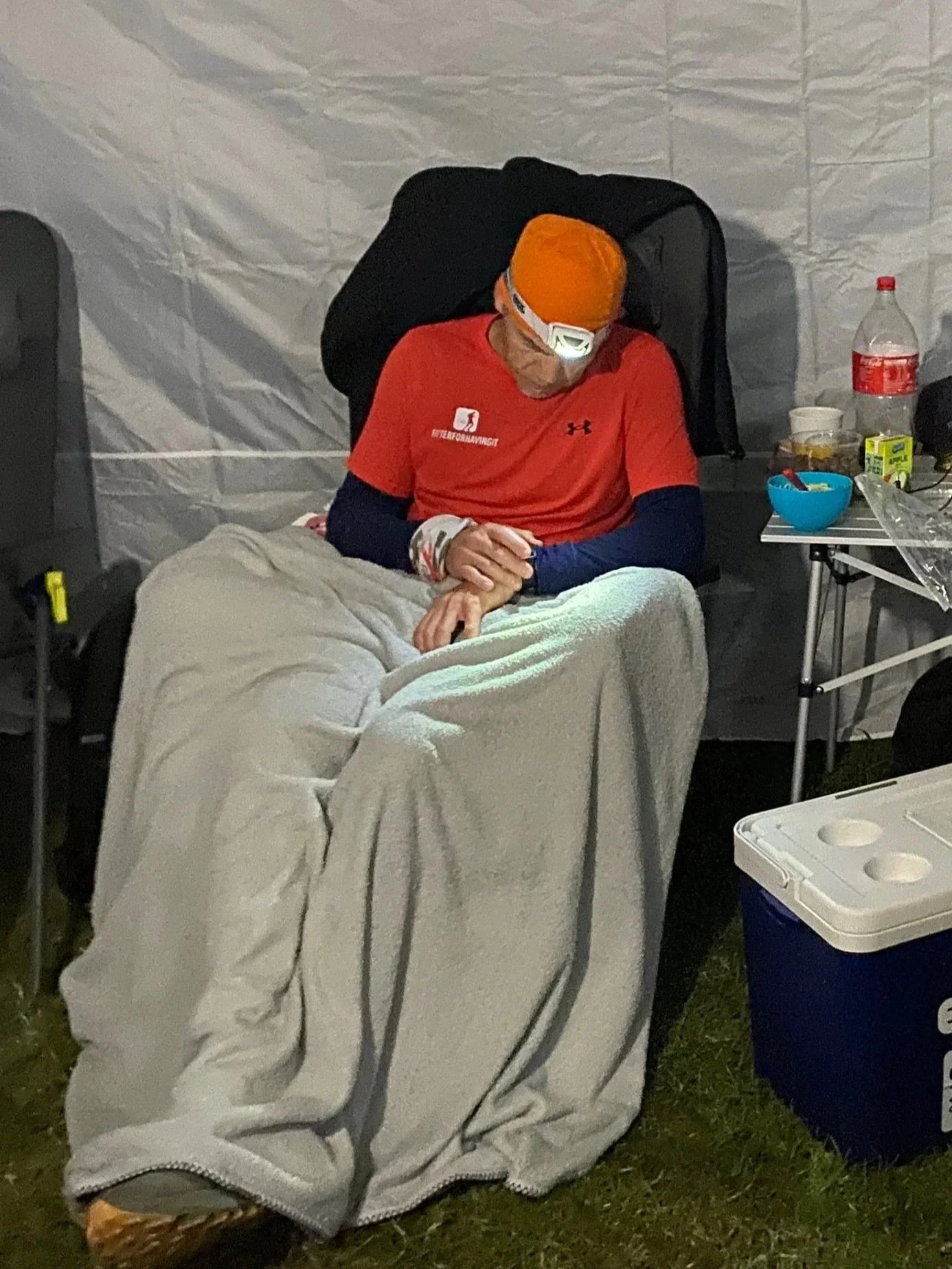
True to form, it was this last breaking point that taught me the most, and these are the lessons I'll use next time.
Surrendering to it felt bad and glorious at the same time.
I conceded with a smile on my face, a hug from my crew, and an earlier cheer from a lonely spectator still ringing in my ears [captured on this video].
My last breaking point:
My final breaking point was signalled a few laps before it finally came. Ultimately, I didn’t finish limping to a finish line, instead it finished when I didn’t leave my tent and couldn’t cross the start line for just one more yard. The final breaking point was in fact a comfy-looking swag and an inviting curry and beer.
Bad luck
Breaking points aside, running with T1D can deliver another kind of bad that people who live with diabetes will recognise immediately:
A T1D reality: bad luck, not bad planning
My insulin delivery failed mid-race because my cannula dislodged as I got warmer and sweatier after putting my thermal on for the cooler night air.
And, midnight must have been my witching hour because that’s when my CGM data failed too.
Both were frustrating T1D mis-haps, but I adapted and kept going… for a while.
Managing diabetes across 20 hours of running involves consistent blood glucose checking, careful insulin delivery, constant carb intake, and note taking to record the countless energy drinks and snacks consumed.
After midnight, 100km deep into a race with no finish line, with a tired brain and no tech or data, it became a new challenge entirely.
I’d already deployed Plan B successfully: the switch to finger prick glucose tests and insulin injections was working. However, I’d lost confidence because my insulin pump was no longer processing how much insulin I had on board. So, when my CGM sensor also failed it felt like rotten luck.
My mind was focused on time and finishing laps, so I started to lose track of the ‘energy in = energy out’ calculation.
My T1D needs are easier to calibrate when the tech is working, and over the first half of the race my diabetes plan had stood up well. But it wasn't foolproof.
As I lost focus on the energy exertion and blood glucose corrections I needed, I simply forgot to stick to my plan and eat enough.
Despite taking a huge bottle of Coke with me on the last two laps, I hadn’t eaten enough to keep going.
My tank had slowly emptied.
On the reality of exercise and T1D:
For people who don't manage T1D: a continuous glucose monitor (CGM) tracks my blood glucose in real time; an insulin pump delivers me a continuous flow of insulin through cannulas attached to my abdomen.
When either fails the real-time data you depend on disappears, and the margin for error during extreme exercise shrinks fast.
Blood glucose that rises too high or too low doesn't just affect performance; if it happens in the wrong place, at the wrong time, without a plan, it can be a medical emergency.
But there is an upside.
Resilience. Real-time problem-solving under pressure. Metabolic self-awareness. The ability to stay calm when systems fail. These aren't skills or traits I was born with. They were built year by year, blood test after blood test, injection by injection, learning from mishap after mishap in daily life.
I deployed Plan B between 11pm and midnight. The injections, finger prick blood tests, and that bottle of Coke carried me five more hours and over a half-marathon past my previous best.
That's my Fitter for Having It approach to life.
Not toxic positivity. Not pretending it's easy. But an honest reckoning that 40 years of T1D management has actually built strengths that make difficult days bearable, and brutal breaking points glorious.
I know it’s possible for others too, I’ve met and spoken to Park Run novices, Half Marathon runners, and World Champion basket-ballers all with T1D that feel the same.
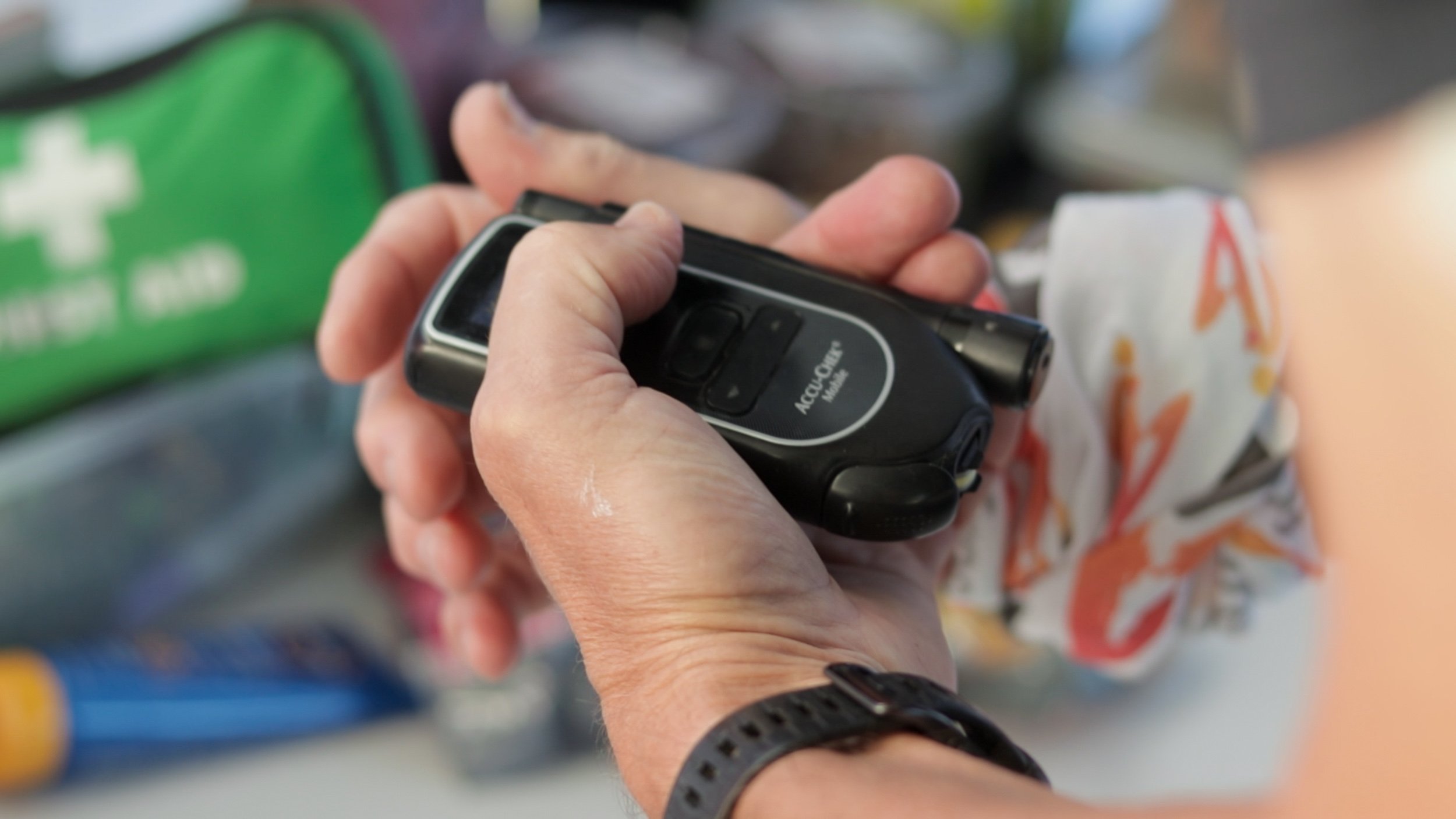
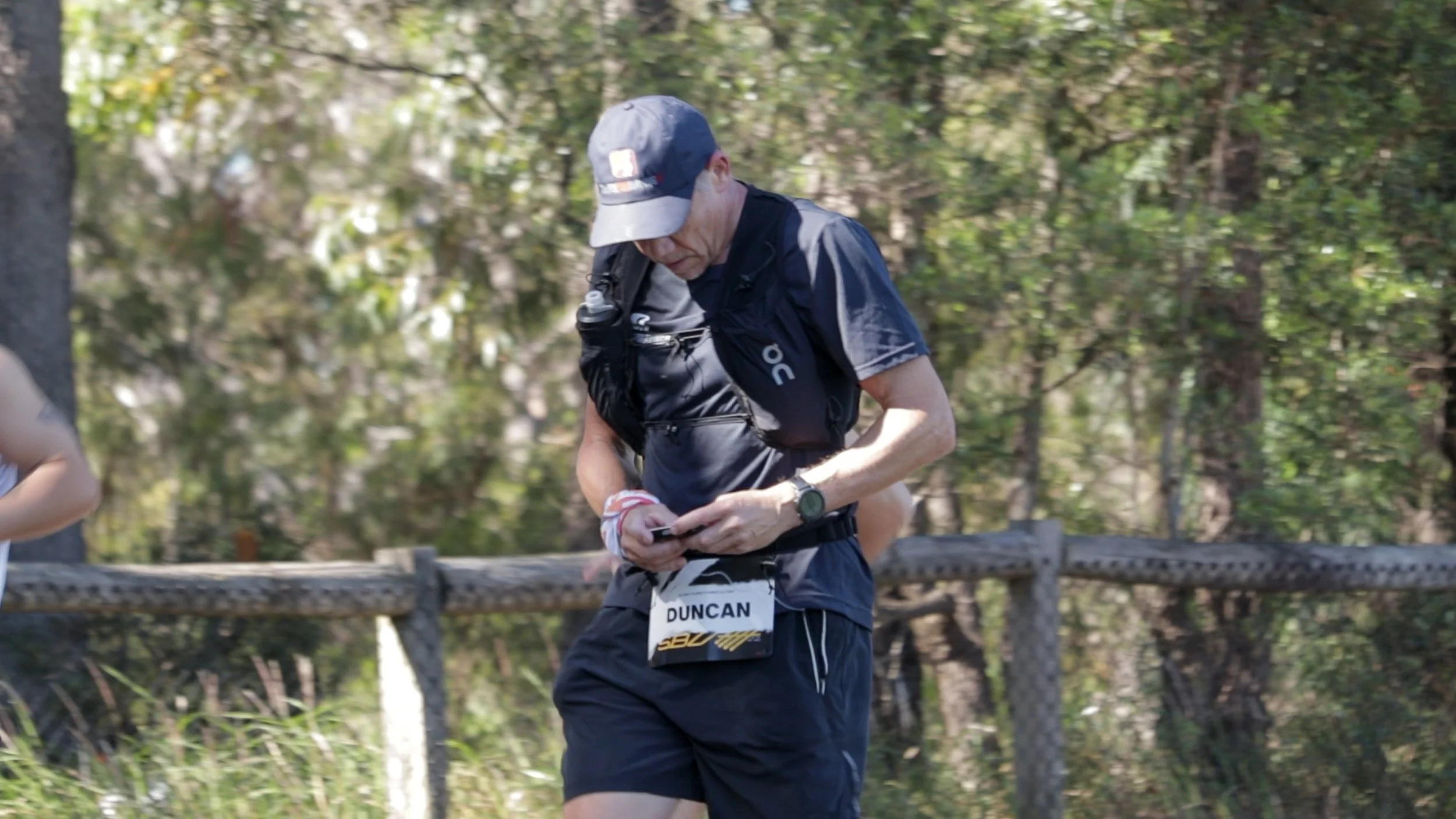
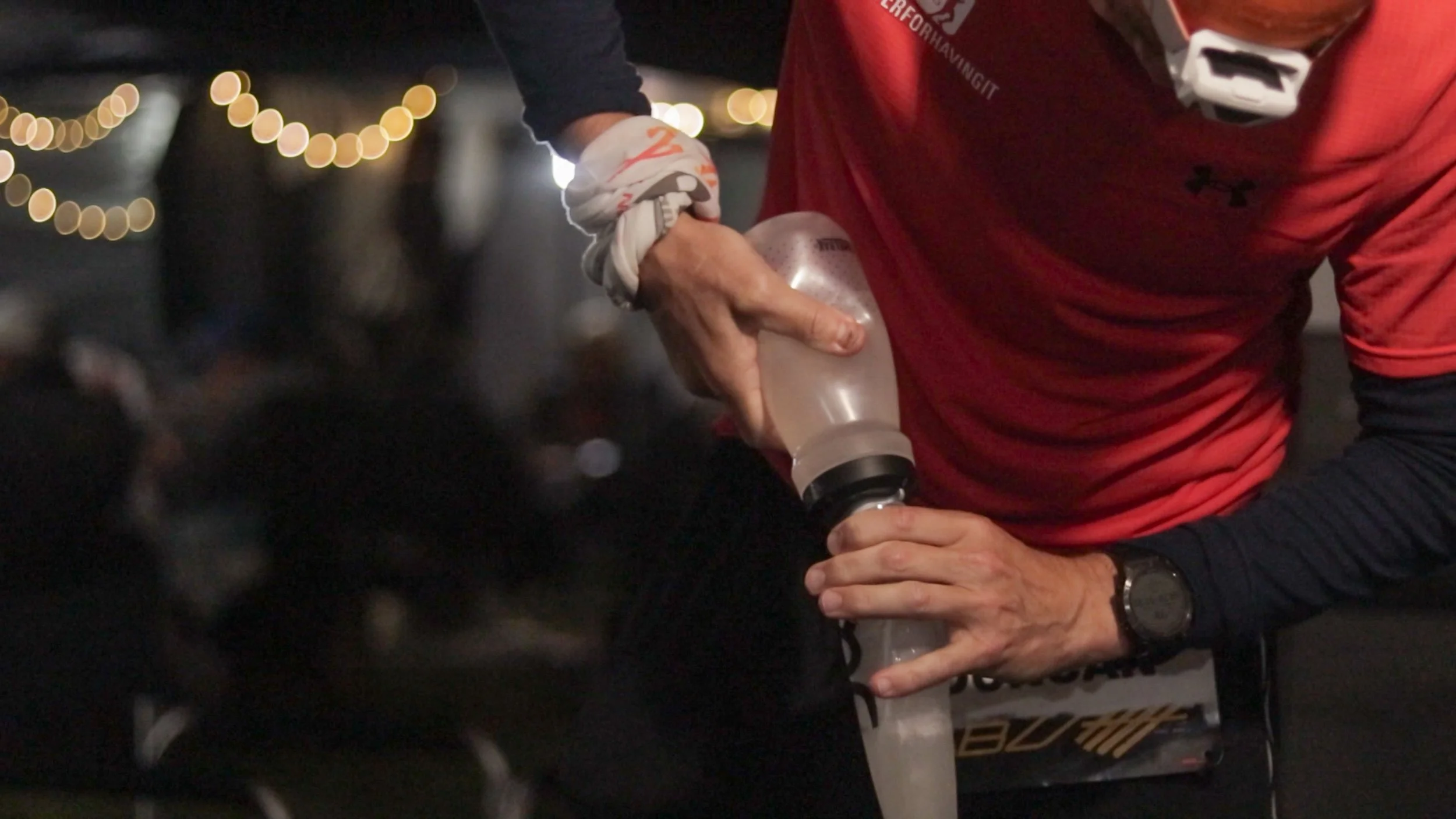
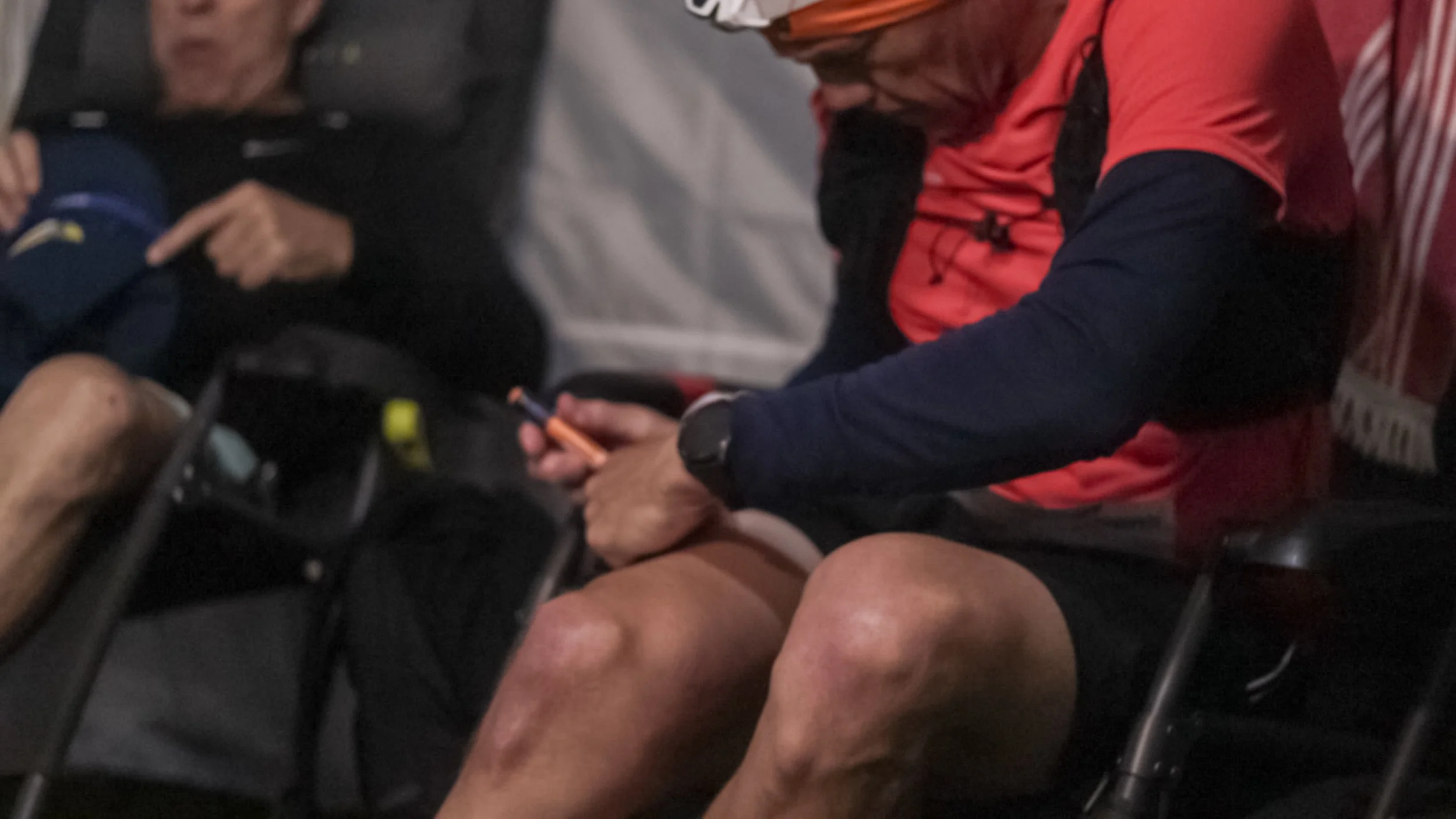
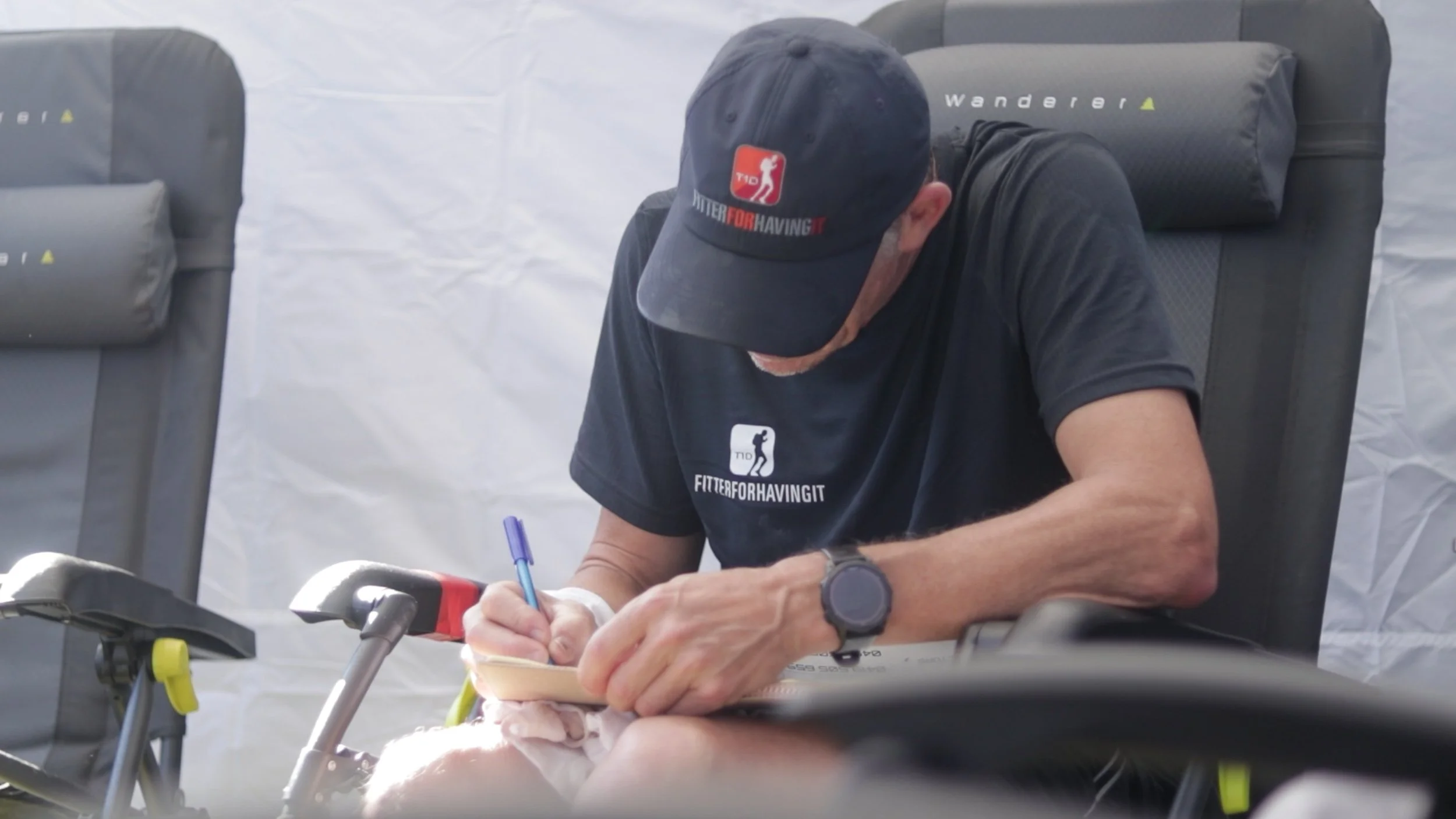
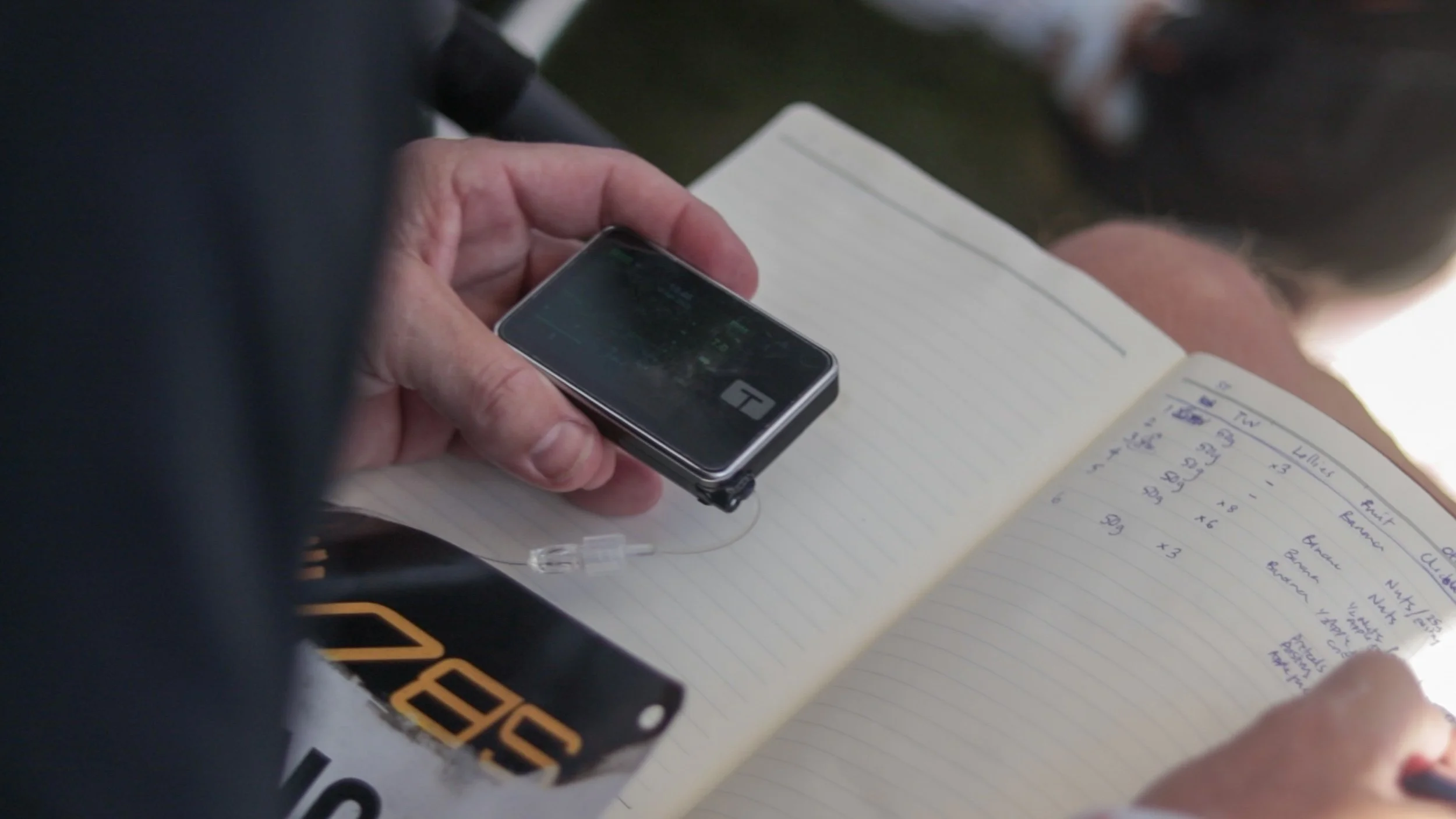
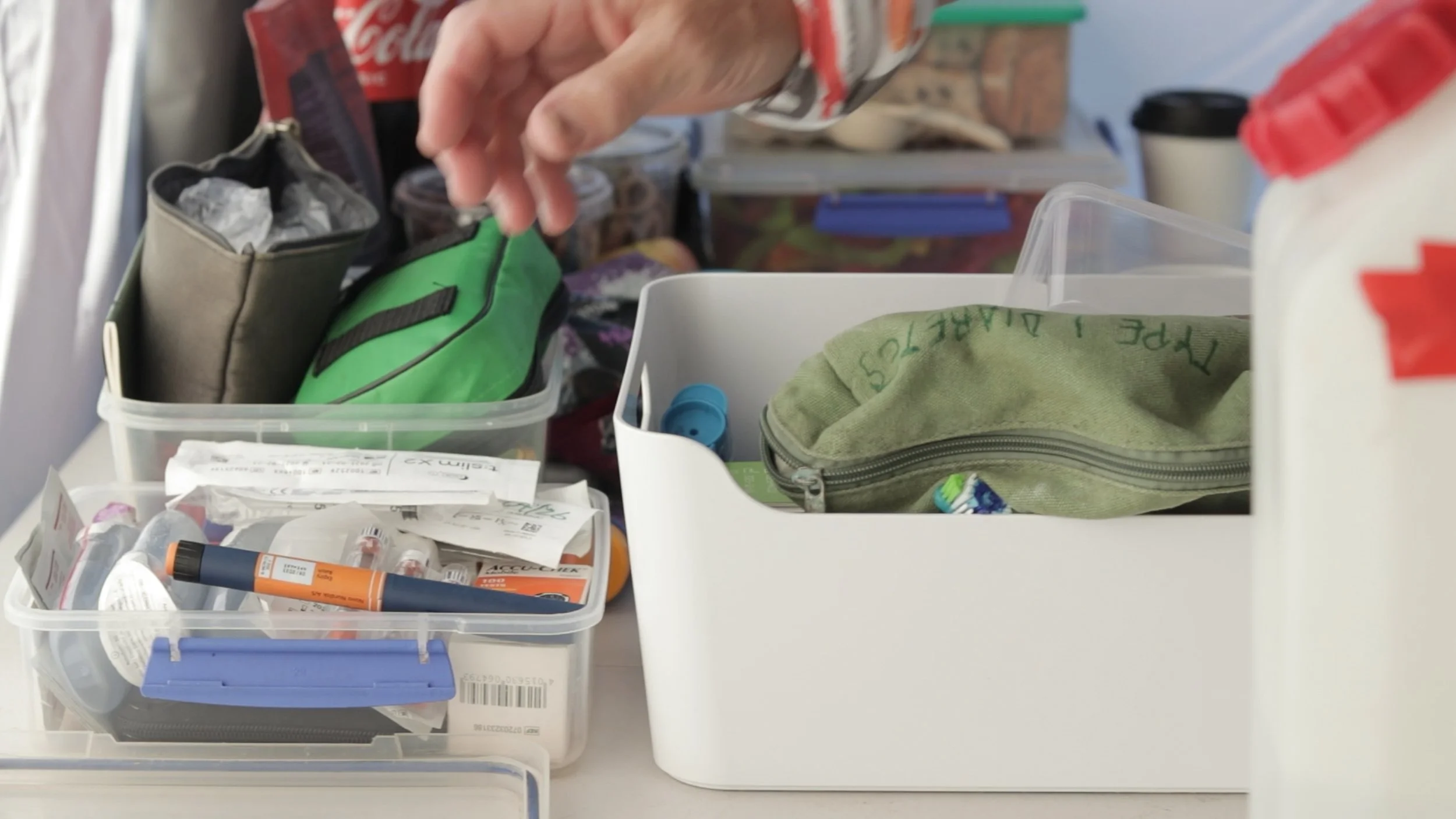
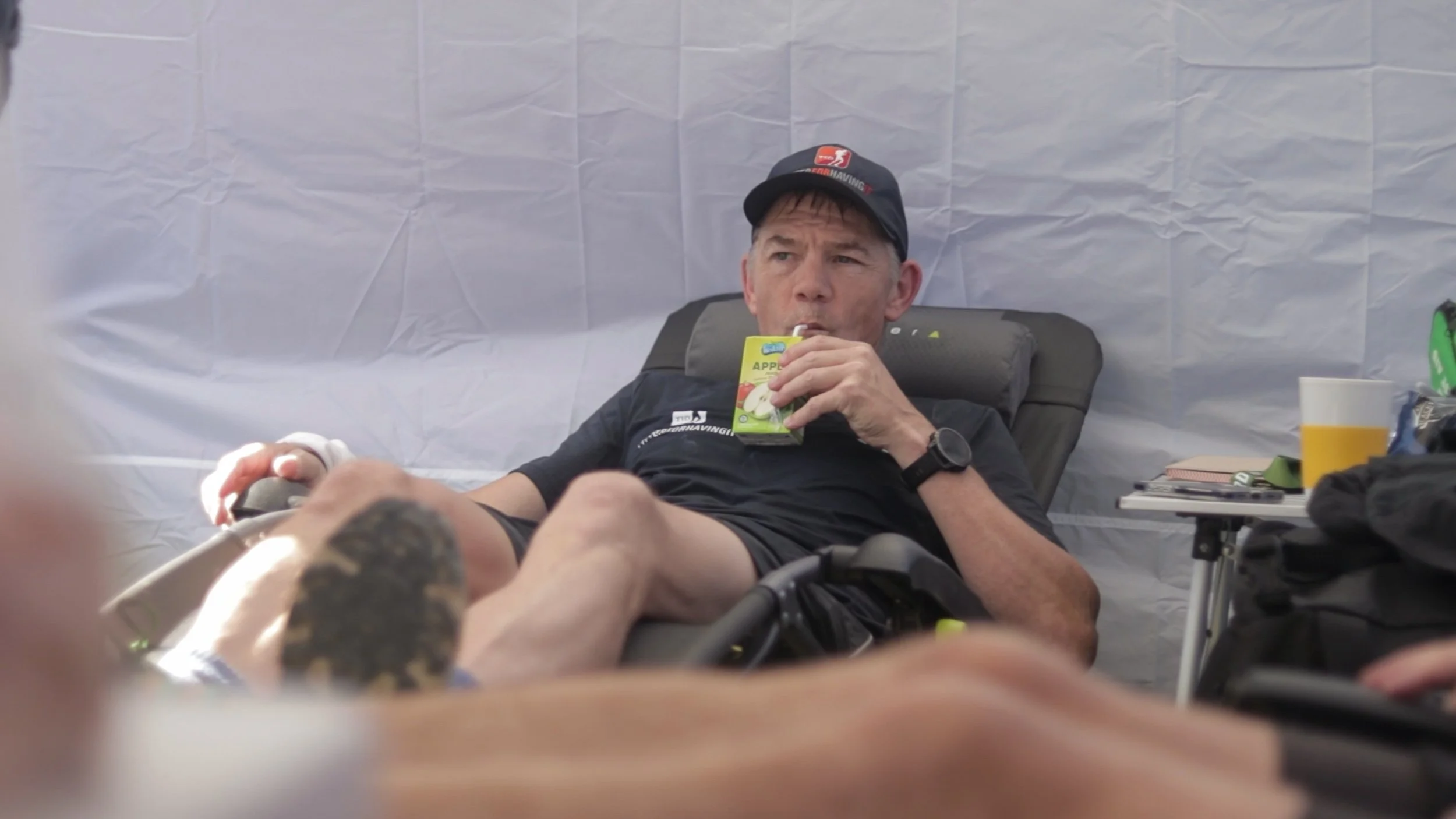
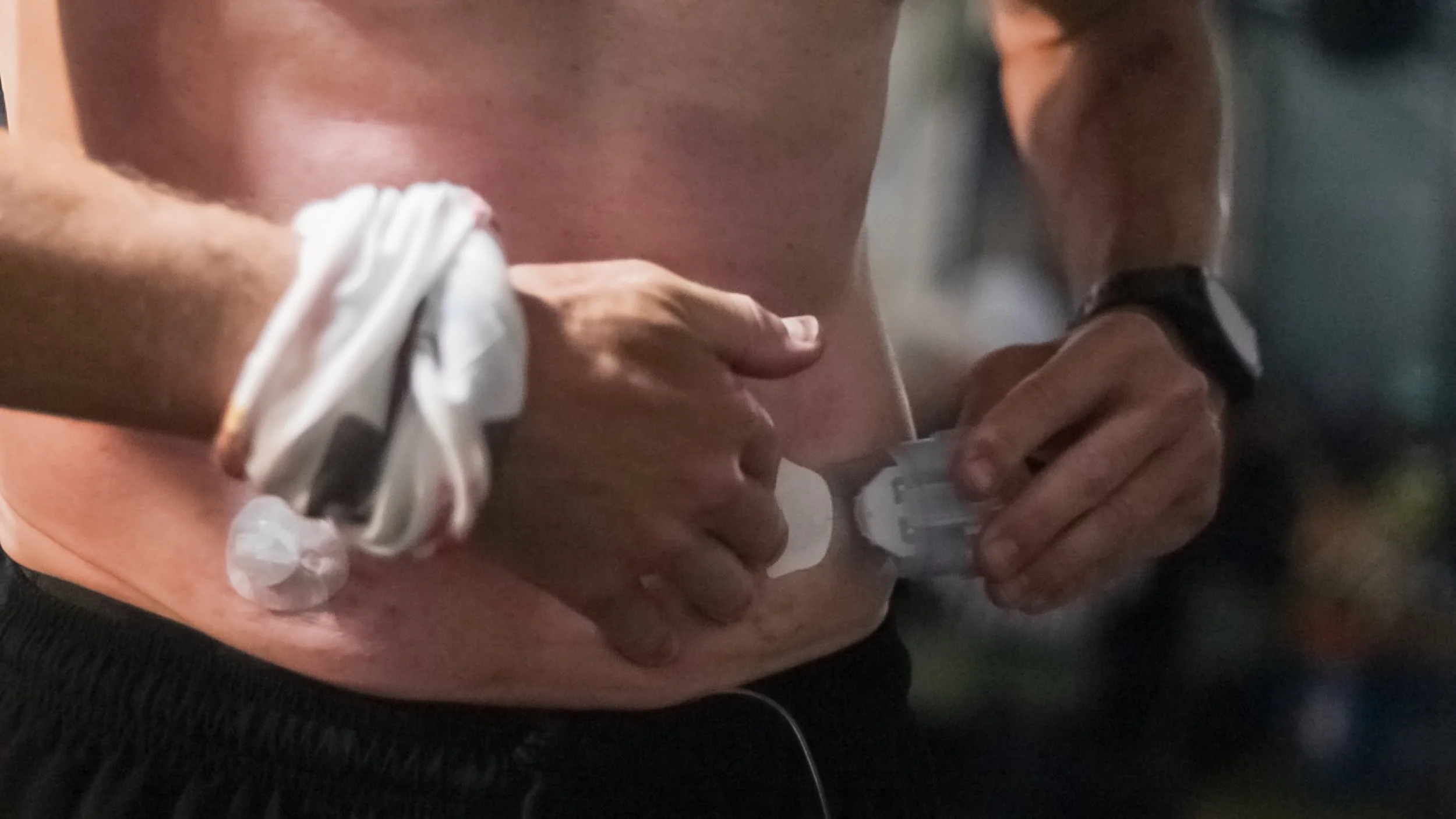
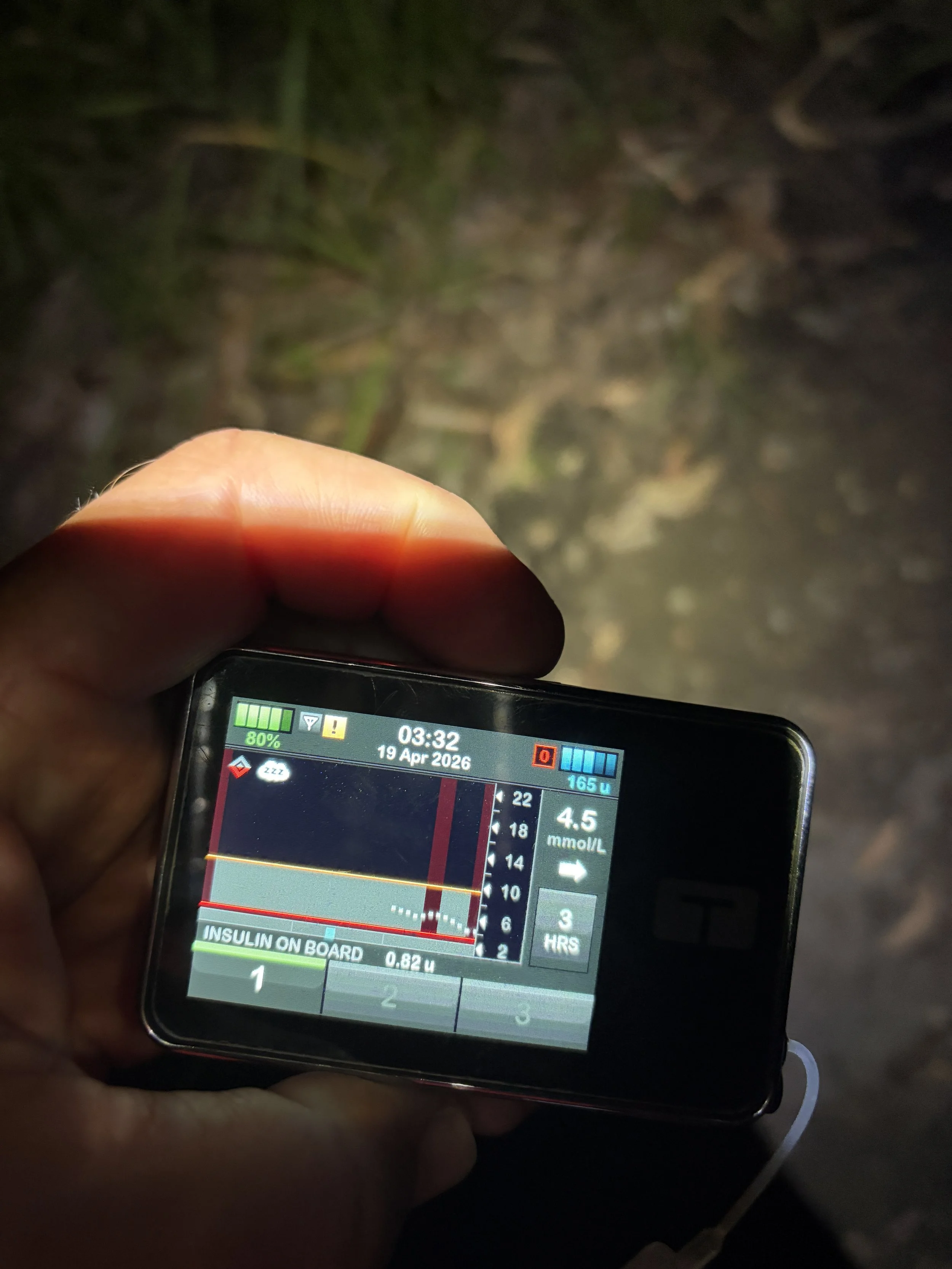
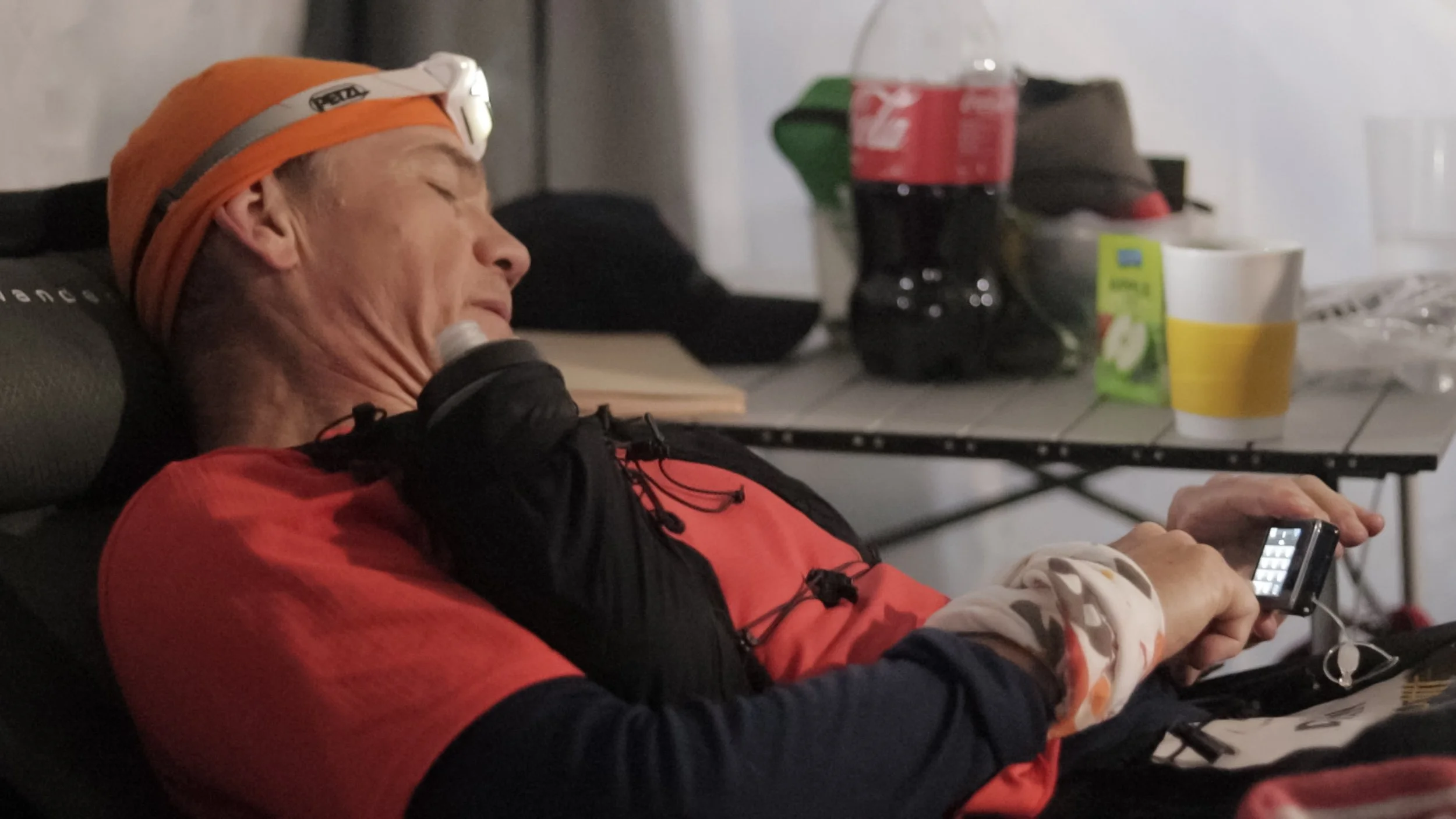
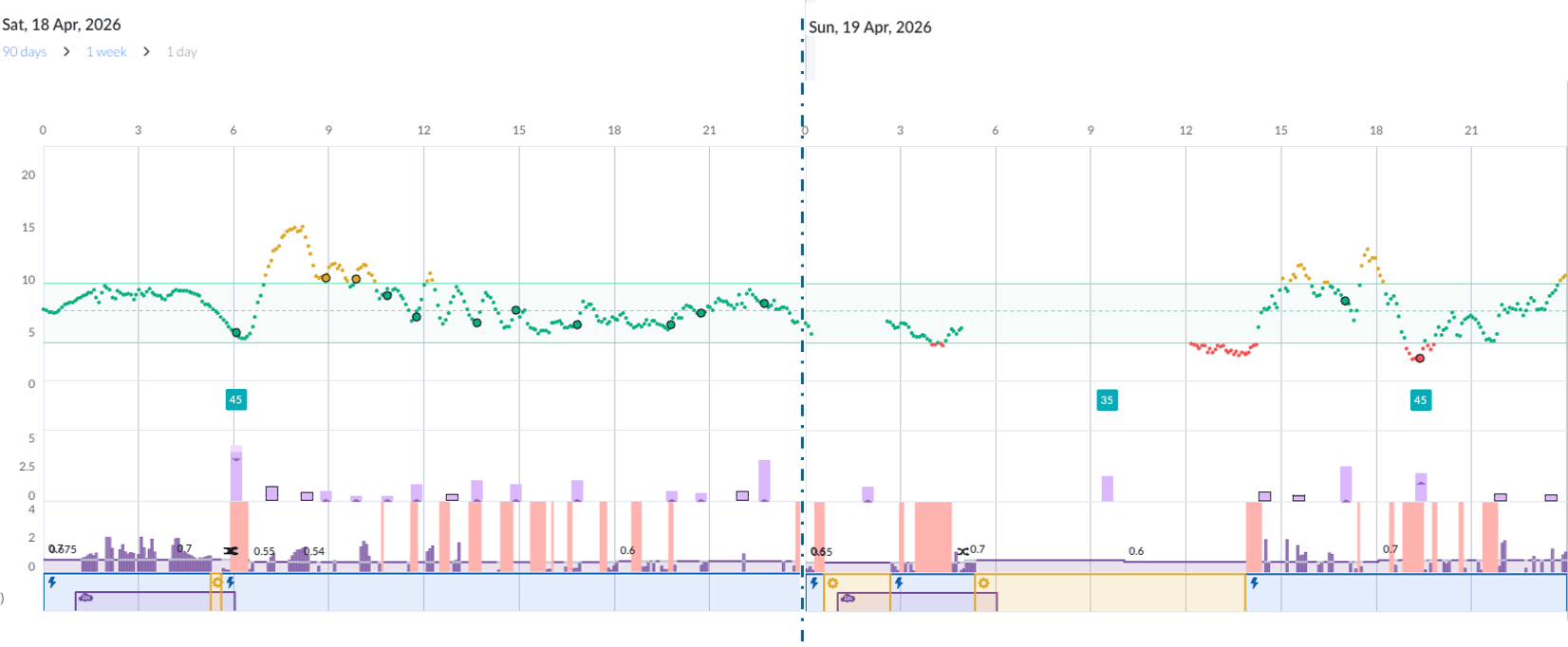
My T1D reality, from top:
Finger prick glucose calibrations
Insulin delivery on the run
Refilling carb and electrolyte drinks
Insulin injections after pump failed
Taking T1D notes between yards
Medical supplies at camp
Apple juice glucose boost
Replacing failed cannula
Checking pump delivery
Loss of insulin and CGM data
Checking T1D performance
Post race T1D report
My Fitter for Having It approach to T1D:
I've lived with T1D for 40 years. And I want to be clear that this isn't a sad, or negative, story about diabetes holding me back. I’m smashing my goals and I wouldn’t be in races like this were it not for having T1D.
My story is about 'owning' T1D and triumphing by fitting it around everything I want to do. It's about sharing the unexpected ways managing a complex condition day-after-day builds capabilities some people never have to develop.
The tech and brain failures I experienced during my longest run ever can happen anytime, anywhere: and they do. There’s no time to feel down on luck. Just get on and solve it.
The Ugly: Regret
For me the ugliest post run feeling is the regret.
My dream to go back to 4am and cross the start line for my 21st yard, and then to run on to sunrise, for 24 hours, or even for 200km lingers.
That type of regret is understandable and useless.
I didn't, and I couldn't run another step at the time. I'm honest with myself about that.
Instead, I’ll chalk up my experience, review performance with my healthcare team, and build a new training plan using the lessons from this one.
In this way, the Backyard Ultra, as a race with no finish line, is the perfect dealer for my addiction. "Go on! Enter another one," it whispers. "You can go further, and longer."
And I can.
What next?
Every day and every run living with Type 1 Diabetes is more informed than the last. So here is what I’ll do next:
Channel the lessons and regret into preparation.
Not dwell retrospectively on what I could've, should've, would've done differently.
Plan specifically for how to adapt and improve by talking to experts and my health care supporters.
This helps me with long runs of course, but it also helps me cope with everyday life with T1D better too.
Live. Learn. Respond. Improve.
My next ultra will be a personal best. Faster, further, longer.
Watch me go.
Want more?
If you want to know how I trained, what I ate, how I manage T1D during ultra-endurance events like this, or how the Fitter for Having It moves apply to your own situation, come to one of my talks, or reach out.
I’d love to hear from you.
Follow me by signing up to the ‘The Move’ newsletter, or watch my Fitter for Having It Conversations with other T1D athletes and experts on YouTube.
Stay strong. Make it happen.